
“BREAKING: Israel Finishes…” — What’s Really Behind the Viral Headline About Israel, Iran, and U.S. Strikes
In recent days, a dramatic headline has been circulating online:
“BREAKING just a few minutes ago Israel finishes… See more”
It’s urgent. It’s incomplete. And it’s designed to make you click.
But behind the vague wording lies a complex and highly sensitive geopolitical situation involving Israel, Iran, and the United States.
Let’s unpack what’s actually being reported—and what you need to understand before jumping to conclusions.
The Situation at a Glance
According to multiple reports, including coverage cited by major outlets, Israel is considering wrapping up its military campaign against Iran following recent developments involving U.S. involvement.
The key points:
The U.S. reportedly joined strikes targeting Iranian nuclear facilities
These sites include Natanz, Fordo, and Isfahan
Israel may view these strikes as achieving major strategic goals
Messages have reportedly been sent to Iran through mediators
This is not a finalized outcome—but rather a potential turning point.
What Triggered This Moment?
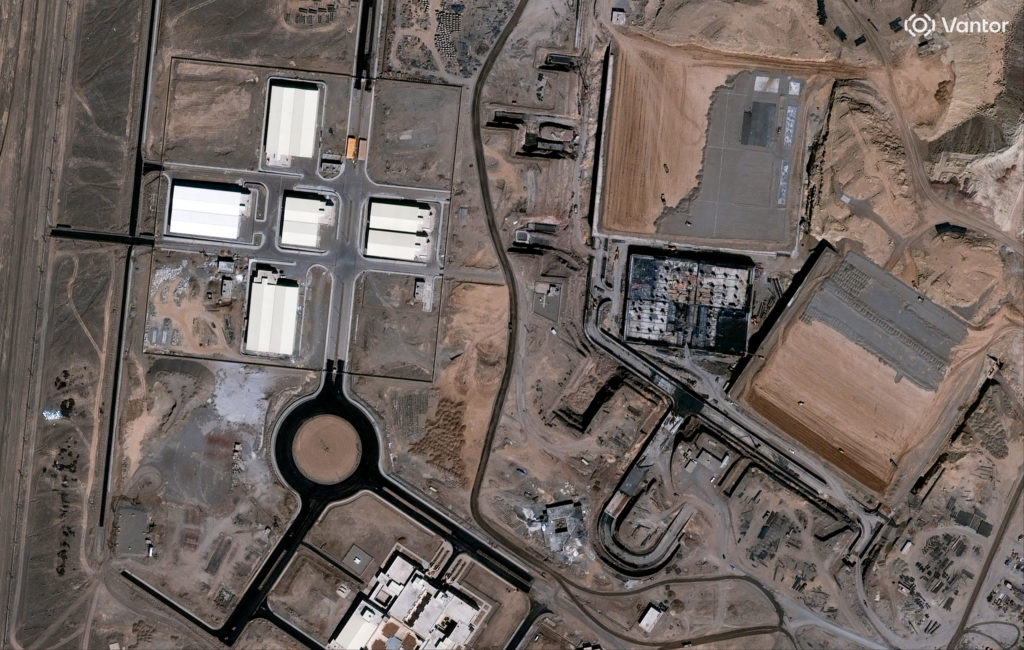


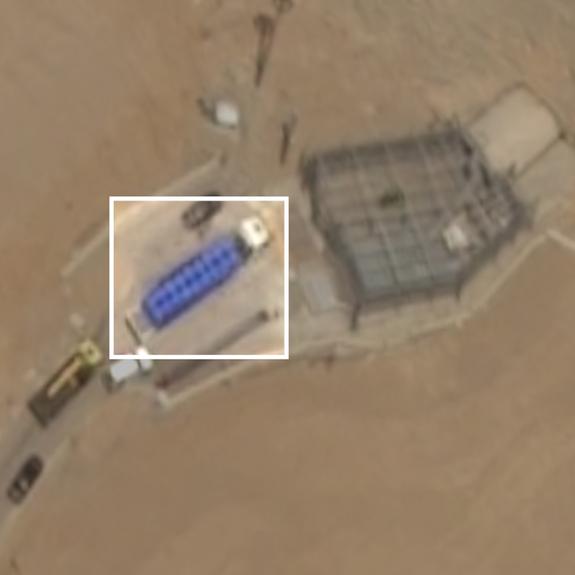
The situation escalated after coordinated or parallel military actions targeting Iran’s nuclear infrastructure.
These facilities are central to long-standing international concerns about Iran’s nuclear program. For years, tensions have revolved around:
Uranium enrichment
Nuclear capability development
Regional security risks
The recent strikes appear to have significantly impacted those capabilities—at least from Israel’s perspective.
Israel’s Strategic Position
Israeli officials reportedly believe they are close to achieving their military objectives under what has been described as an operation aimed at neutralizing:
Nuclear threats
Ballistic missile capabilities
An unnamed official indicated that Israel is open to ending the campaign, but under one key condition:
👉 Iran must agree to dismantle its nuclear program.
This highlights an important point:
Israel is not simply ending operations—it is tying that decision to diplomatic outcomes.
The Role of the United States
The involvement of the United States marks a significant escalation.
Reports suggest:
The U.S. conducted or supported strikes on nuclear sites
It is now encouraging de-escalation
Messages are being passed to Iran via Arab intermediaries
This places the U.S. in a dual role:
Military participant
Diplomatic mediator
That balance is delicate—and critical.
Iran’s Position: Why Tensions Remain High
Despite signals that Israel may want to end the campaign, Iran is reportedly not ready to step back just yet.
According to sources:
Iran feels it must respond to U.S. strikes
There is internal pressure to retaliate
Any pause without response could be seen as weakness
This creates a dangerous dynamic:
Even if one side is ready to stop, the other may feel compelled to continue.
Two Possible Endings to the Conflict
Reports suggest there are currently two main scenarios:
1. Unilateral Israeli Conclusion
Israel declares mission accomplished
→ Iran gradually stops its attacks
2. Negotiated Ceasefire (U.S.-Led)
Both sides agree to stop through diplomatic channels
Interestingly, Israel reportedly prefers the first option—likely because it maintains greater control over the narrative and outcome.
What Happens If Fighting Continues?
If Iran does not stop its response, Israel may escalate further.
Some reports suggest:
Expanded strikes targeting key infrastructure
Possible focus on regime-level targets
Increased intensity in Tehran and beyond
This raises the stakes significantly, moving the conflict from targeted operations to broader confrontation.
The Bigger Picture: Why This Matters Globally
This situation is not isolated.
It affects:
Middle East stability
Global energy markets
International security
Nuclear non-proliferation efforts
Any escalation—or resolution—will have ripple effects far beyond the region.
The Problem With the Viral Headline
Let’s go back to the headline:
“BREAKING… Israel finishes…”
This is a classic example of clickbait framing.
What It Suggests:
The conflict is over
A final decision has been made
There is closure
What Reality Shows:
Discussions are ongoing
Conditions are unresolved
Tensions remain high
The headline simplifies a highly complex situation into a misleading conclusion.
Why These Headlines Spread So Fast
They follow a predictable formula:
Urgency (“breaking”)
Incomplete information (“finishes…”)
Curiosity gap (“see more”)
This combination drives clicks—but often at the expense of clarity.
Reading Between the Lines
When you see headlines like this, it’s important to pause and ask:
Has anything actually been confirmed?
Are key details missing?
Is the situation still developing?
In fast-moving geopolitical events, certainty is rare—and headlines often get ahead of facts.
A Moment of Fragile Possibility
Despite the tension, there is one cautiously optimistic takeaway:
👉 There is at least some discussion of ending the conflict.
That alone is significant.
But whether it leads to:
A ceasefire
Renewed diplomacy
Or further escalation
…depends on decisions still unfolding.
Final Thoughts: Stay Informed, Not Misled
The situation between Israel and Iran is complex, sensitive, and evolving by the hour.
While viral headlines may suggest clarity, the reality is far more uncertain.
Understanding the difference between:
What is reported
What is implied
And what is actually confirmed
…is essential in today’s information landscape.
Because when it comes to global conflict, accuracy matters more than speed.
About the Author
This article focuses on breaking down viral global news stories, helping readers understand the real context behind headlines, and promoting informed, critical engagement with current events.


0 commentaires:
Enregistrer un commentaire