
“Buried Secrets Unearthed”: The Truth Behind the Viral Garden Discovery Story
In the age of viral headlines, few phrases capture attention quite like:
“Buried Secrets Unearthed: What Was Really Found in the Garden…”
Add a familiar name—like Savannah Guthrie—and the intrigue multiplies instantly.
The version circulating online paints a dramatic picture: a missing mother, a suspicious backyard, investigators digging beneath the soil, and a shocking discovery that could change everything.
But as with many stories framed this way, it’s essential to separate atmosphere from evidence.
The Story as It’s Being Told
The viral narrative follows a familiar structure:
A woman disappears
Authorities search for answers
Attention shifts to a family member’s property
A garden becomes the center of suspicion
Investigators begin digging
A “disturbed flowerbed” hints at something hidden
It’s written almost like a crime thriller—carefully paced, emotionally charged, and deliberately incomplete.
But here’s the key question:
What has actually been confirmed?
The Power of Suggestion in Headlines
Phrases like:
“buried secrets”
“something terrible was hidden”
“investigators believe”
…are powerful not because they provide facts, but because they imply conclusions without stating them.
This technique creates tension while avoiding direct claims.
In many cases, it allows a story to feel shocking—even when concrete details are limited or unclear.
The Use of Familiar Names
Including Savannah Guthrie in the headline immediately elevates interest.
Public figures often become anchors for viral content because:
They are widely recognized
They create instant credibility (even when unrelated)
They draw emotional and media attention
However, it’s important to note:
👉 Being mentioned in a headline does not mean direct involvement in any wrongdoing.
What Does “Investigators Believe” Really Mean?
This phrase appears frequently in viral crime-related posts.
But it can be misleading.
It might refer to:
Early investigative leads
Routine search procedures
Hypotheses—not confirmed findings
Law enforcement often explores multiple possibilities during an investigation. A search of a location does not automatically indicate guilt or discovery.
The Garden Detail: Why It Captures Attention


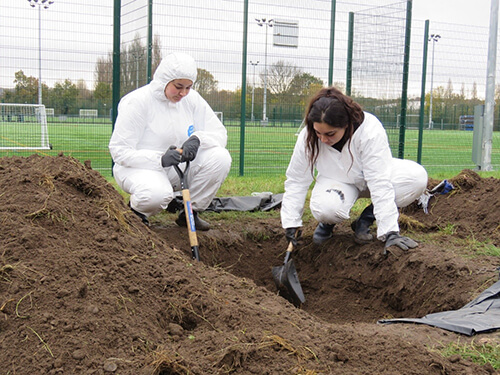

A garden is an everyday, peaceful space.
That’s precisely why it works so well in storytelling:
It contrasts innocence with suspicion
It feels personal and close to home
It transforms the ordinary into something unsettling
But visually compelling details don’t always equal factual breakthroughs.
The Missing Pieces in the Story
Despite the dramatic tone, several critical details are often absent:
What exactly was found (if anything)?
Was any evidence confirmed?
Are there official statements from authorities?
Has anyone been charged or named as a suspect?
Without these elements, the story remains speculative rather than conclusive.
How Stories Like This Spread
This type of content follows a familiar viral formula:
1. Emotional Setup
A disappearance or tragedy draws immediate attention.
2. Mystery Element
A hidden secret or unexpected location (like a garden) adds intrigue.
3. Cliffhanger Ending
The story stops just before revealing key information.
4. Call to Action
“Read more,” “Next →,” or similar prompts push users to click.
The Risk of Misinterpretation
When stories rely heavily on implication, readers may:
Assume conclusions that haven’t been confirmed
Misidentify individuals as suspects
Spread misinformation unintentionally
This can have real-world consequences—especially for families already dealing with difficult situations.
Real Investigations vs. Viral Narratives
In reality, investigations are:
Methodical
Evidence-driven
Often slow and complex
They rarely unfold in dramatic, perfectly timed revelations.
What we see online is often a compressed, dramatized version of events.
Why We’re Drawn to These Stories
There’s a human reason these headlines work so well.
We are naturally drawn to:
Mysteries
Hidden truths
Stories of discovery
Especially when they involve:
Family dynamics
Everyday settings
Unexpected twists
These elements make the story feel both relatable and suspenseful.
The Importance of Responsible Reading
When encountering stories like this, it helps to pause and ask:
Is this based on confirmed information?
Are sources clearly identified?
Is the language factual or emotional?
What might be missing?
Taking a moment to reflect can prevent misunderstanding.
A Broader Pattern in Viral Content
This story fits into a larger trend where:
Drama is emphasized over detail
Implication replaces confirmation
Engagement is prioritized over clarity
Understanding this pattern makes it easier to navigate similar headlines in the future.
Final Thoughts: What Do We Actually Know?
At this stage, the most important takeaway is simple:
👉 The headline suggests far more than it confirms.
While there may be an ongoing investigation, the viral version of the story relies heavily on:
Suspense
Suggestion
Emotional framing
Without clear, verified details, it remains a developing narrative—not a resolved case.
The Real Lesson
Stories like this remind us that:
Not everything that sounds dramatic is fully true.
Not everything implied is confirmed.
And not every “secret” has actually been uncovered.
In a world of constant updates and viral posts, the ability to distinguish between storytelling and verified information is more important than ever.
Because sometimes, the biggest mystery isn’t what’s in the garden—
It’s how the story about it is being told.
About the Author
Admin writes about viral media, online storytelling, and how modern headlines shape public perception, helping readers understand what’s real, what’s exaggerated, and what’s still unknown.


0 commentaires:
Enregistrer un commentaire