Top Ad 728x90

samedi 4 avril 2026

Cauliflower & Broccoli Salad

by

Creamy Broccoli Cauliflower Salad with Bacon


If you're looking for a quick, satisfying side dish that delivers both crunch and creaminess, this broccoli cauliflower salad is a perfect choice. Packed with fresh vegetables, savory bacon, and a rich, tangy dressing, it’s a crowd-pleaser for gatherings, barbecues, or even a simple family meal.

What makes this recipe stand out is its balance—crisp textures from the vegetables, smoky flavor from the bacon, and a smooth, slightly sweet dressing that ties everything together beautifully.


๐Ÿฅฆ Ingredients

  • 1 head broccoli

  • 1 head cauliflower

  • 1/2 lb bacon (cooked and crumbled)

  • 1 cup shredded cheddar cheese

  • 1 cup mayonnaise

  • 1 cup sour cream

  • 1/2 cup sugar

  • 1/2 teaspoon salt


๐Ÿฅ— Directions

  1. Prepare the vegetables
    Wash the broccoli and cauliflower thoroughly, then chop them into small, bite-sized florets.

  2. Combine the main ingredients
    In a large mixing bowl, add the broccoli, cauliflower, cooked bacon, and shredded cheddar cheese. Toss lightly to distribute evenly.

  3. Make the dressing
    In a separate small bowl, mix together the mayonnaise, sour cream, sugar, and salt. Stir until smooth and fully combined.

  4. Bring it all together
    Pour the dressing over the vegetable mixture. Stir well until everything is evenly coated.

  5. Serve or chill
    You can serve the salad immediately, or refrigerate it for about 1–2 hours to let the flavors meld together even more.


๐Ÿ’ก Tips for Best Results

  • Crispier texture: Keep vegetables raw for maximum crunch

  • Less sweetness: Reduce sugar slightly if you prefer a more savory taste

  • Extra flavor: Add chopped red onion or sunflower seeds for more depth

  • Make ahead: This salad tastes even better after chilling


๐Ÿฝ️ Why You’ll Love This Recipe

This salad is:

  • Quick and easy to prepare

  • Perfect for potlucks and gatherings

  • A great mix of fresh and indulgent flavors

  • Easily customizable to your taste


Conclusion

Simple, flavorful, and incredibly satisfying, this creamy broccoli cauliflower salad is one of those recipes you'll find yourself coming back to again and again. Whether served fresh or chilled, it delivers a delicious combination of textures and tastes that make every bite enjoyable.

Give it a try—you might just add it to your regular rotation! 

Alabama Gov Hospitalized After Procedure To Remove Fluid From Lung

by


Alabama Governor Hospitalized After Lung Procedure: What We Know


Kay Ivey, the governor of Alabama, was hospitalized this week following a medical procedure to remove fluid from around her lung, according to an official statement from her office.

The announcement, while initially concerning, has been described by officials as precautionary, with the procedure characterized as minor and routine.

Still, news involving the health of a sitting governor quickly drew public attention and prompted questions about her condition and recovery.


What Happened: A Preventive Medical Procedure

According to her office, Governor Ivey sought medical evaluation after experiencing discomfort and shortness of breath—symptoms that can sometimes indicate fluid buildup around the lungs.

Doctors determined that a procedure was necessary to relieve pressure and improve breathing.

This type of condition is commonly associated with what is medically known as pleural effusion, where excess fluid accumulates in the space surrounding the lungs.

The procedure to remove this fluid is typically straightforward and is often performed to both diagnose and alleviate symptoms.


The Procedure: What It Involves

The process used to remove fluid from around the lungs is called thoracentesis.

During this procedure:

  • A needle is carefully inserted into the chest cavity

  • Excess fluid is drained to relieve pressure

  • Samples may be collected for testing, if needed

In many cases, patients experience rapid improvement in breathing once the fluid is removed.

Medical professionals often consider this a low-risk procedure when performed under proper conditions.


Current Condition: Stable and Recovering

Officials have indicated that Governor Ivey is in stable condition following the procedure.

There has been no indication of complications, and early updates suggest that the intervention successfully addressed her symptoms.

While she remains under medical observation, this is standard practice to ensure proper recovery and monitor for any recurrence of fluid buildup.

Her office has not announced any long-term concerns at this time.


Public Reaction: Concern and Support

News of the hospitalization quickly spread, prompting an outpouring of concern and well wishes from across the political spectrum.

Supporters, colleagues, and public figures have expressed hope for her swift recovery, emphasizing the importance of health and rest following medical procedures.

In moments like these, political differences often take a back seat to shared concern for an individual’s well-being.


Leadership Continuity: Government Operations Continue

Despite the temporary hospitalization, there has been no disruption to the functioning of state government.

The office of Kay Ivey has confirmed that official duties are continuing, with staff ensuring that operations remain smooth during her recovery period.

Such continuity measures are standard in government, designed to maintain stability even when leaders face health-related interruptions.


Understanding Pleural Effusion

While the term may sound alarming, pleural effusion is not uncommon—especially among older adults or individuals with certain underlying conditions.

Possible causes can include:

  • Infections

  • Heart or kidney conditions

  • Inflammatory diseases

  • Other medical factors requiring evaluation

Treatment depends on the underlying cause, but removing the fluid often provides immediate relief from symptoms like shortness of breath.


What Comes Next

Governor Ivey is expected to continue recovering under medical supervision.

Doctors will likely monitor her condition to ensure that:

  • Fluid does not reaccumulate

  • Breathing remains stable

  • No underlying issues require further treatment

Any additional updates will likely come from her office as her recovery progresses.


Conclusion: A Routine Procedure, a Reassuring Outlook

While any hospitalization can raise concern, the available information suggests that this was a precautionary and manageable medical situation.

For Kay Ivey, the procedure appears to have been successful, with early signs pointing toward a steady recovery.

As she continues to rest and regain strength, the focus remains on her health—and on ensuring a smooth return to her full responsibilities.

For now, the outlook is reassuring.


HT15. IRAN ATTACKED RIGHT NOW, PLANE WITH MORE THAN 244 ONBOARD JUST CRASH… see more – NewsMedia

by


Plane Crash in Louisville Under Investigation as Authorities Shift to Recovery Efforts


A tragic aviation incident in Louisville has left the nation searching for answers after a cargo aircraft crash resulted in multiple fatalities and injuries.

Authorities confirmed that a UPS cargo plane went down near Louisville Muhammad Ali International Airport, prompting an immediate emergency response and a large-scale investigation that is still unfolding.

As officials transition from rescue operations to recovery efforts, attention is now turning to one central question:

What caused the crash?


The Incident: A Sudden and Devastating Crash

The crash occurred during what was expected to be a routine cargo flight.

According to early reports, the aircraft experienced a critical issue shortly before or during its approach to the airport. Within moments, the situation escalated into a catastrophic event, leaving debris scattered and emergency crews racing to the scene.

Initial confusion surrounded reports circulating online, with some posts exaggerating details about the number of people onboard. Authorities have since clarified that the aircraft involved was a cargo plane, not a commercial passenger flight.

Still, the human toll has been severe.

At least 14 people have been confirmed dead, with several others injured—some critically.


Emergency Response: Rapid Action on the Ground

First responders moved quickly.

Firefighters, paramedics, and law enforcement units converged on the crash site within minutes. Their immediate priority was to search for survivors, contain potential hazards such as fuel fires, and secure the area.

Given the nature of cargo aircraft operations, the number of individuals onboard was limited compared to a commercial passenger flight. However, the intensity of the crash created significant challenges for rescue teams.

By the end of the first day, officials announced a shift from rescue to recovery—a difficult but necessary transition that reflects the realities of the situation.


The Investigation: Piecing Together What Happened

Federal investigators, including aviation safety officials, are now leading a comprehensive investigation.

Key areas of focus include:

  • The aircraft’s mechanical condition prior to the flight

  • Weather conditions at the time of the incident

  • Communication between the flight crew and air traffic control

  • Flight data and cockpit voice recordings

Investigators have recovered critical evidence from the crash site, including components that may help reconstruct the sequence of events leading up to the เคฆुเคฐ्เค˜เคŸเคจा.

These investigations are meticulous and often take time.

Officials have emphasized that no conclusions will be drawn until all available data has been thoroughly analyzed.


Separating Fact from Viral Claims

In the hours following the crash, misleading headlines began circulating online, including claims linking the incident to international conflict or suggesting a much higher number of passengers onboard.

Authorities have firmly stated:

  • There is no confirmed connection between this crash and any foreign attack

  • The aircraft was a cargo plane, not a passenger jet with hundreds onboard

  • The number of casualties, while tragic, is significantly lower than some viral reports suggest

This highlights a recurring issue in breaking news situations—misinformation spreading faster than verified facts.

Officials are urging the public to rely on confirmed updates from credible sources as the investigation continues.


The Human Impact: Lives Lost and Communities Affected

Behind every statistic is a story.

The individuals who lost their lives were part of a complex operation that keeps global logistics moving—pilots, crew members, and potentially ground personnel affected by the crash.

Families are now facing unimaginable loss, while colleagues and communities grapple with the emotional aftermath.

In Louisville, the ุญุงุฏุซ has left a visible mark. Local residents have expressed shock and sorrow, with many gathering near the site or sharing messages of support online.

Moments like these extend beyond headlines—they touch lives in deeply personal ways.


Aviation Safety: Rare but Closely Scrutinized Events

While aviation remains one of the safest modes of transportation, incidents like this receive intense scrutiny—and for good reason.

Each crash triggers a detailed investigation aimed at identifying causes and preventing future occurrences.

Potential factors can include:

  • Mechanical failure

  • Human error

  • Environmental conditions

  • Operational or procedural issues

In many cases, findings lead to industry-wide changes, from updated safety protocols to design improvements.

The goal is always the same: ensuring that tragedies like this become even less likely in the future.


What Happens Next?

As the investigation enters its second full day, several steps are expected:

  • Continued recovery of debris and evidence

  • Analysis of flight data and voice recordings

  • Interviews with relevant personnel

  • Coordination between federal and local authorities

A preliminary report may be released in the coming weeks, though a full investigation can take months—or longer.

Until then, many questions will remain unanswered.


Conclusion: A Tragedy, Not a Sensation

Despite sensational headlines circulating online, the reality of this event is both simpler and more sobering.

A cargo plane crashed.

Lives were lost.

Families are grieving.

And investigators are working carefully to understand why it happened.

As more information emerges, clarity will replace speculation. But for now, the focus remains where it should be:

On the victims, on the facts, and on the effort to ensure that such a tragedy is not repeated.


HT15. WWE star makes huge claim about Trump’s assassination attempt and points at key detail – NewsMedia

by


WWE Star Makes Explosive Claim About Trump Assassination Attempt, Points to Key Detail


The attempted assassination of Donald Trump in Butler, Pennsylvania, during the summer of 2024 remains one of the most shocking and heavily analyzed moments in recent political history.

Even now, nearly two years later, the เค˜เคŸเคจा continues to spark debate, raise questions, and fuel competing interpretations.

But a new voice has entered the conversation—one that few expected, yet many immediately paid attention to.

A former professional wrestling star turned governor has made a bold and controversial claim about the incident, pointing to what he believes is a “key detail” that has not received enough scrutiny.

The comments have stunned interviewers, divided audiences, and reignited discussions that had only recently begun to settle.


The Incident Revisited: A Moment That Shook the Nation

The events in Butler unfolded rapidly.

During a campaign rally, chaos erupted when an attacker attempted to assassinate Trump, triggering panic among attendees and an immediate response from security personnel. The incident left the nation stunned, with images and footage quickly circulating across media platforms worldwide.

In the aftermath, investigations were launched, security protocols were reviewed, and political leaders across the spectrum condemned the violence.

While authorities provided official accounts of what happened, public debate never fully subsided.

Questions lingered—about security lapses, about motives, and about whether every aspect of the event had been fully explained.


A New Voice Enters the Debate

Now, that debate has been reignited by Jesse Ventura, a figure known for his outspoken views and willingness to challenge mainstream narratives.

In a recent interview, Ventura made a striking claim: that a specific detail surrounding the assassination attempt has been overlooked or underreported.

While he did not present new evidence, his interpretation of existing information has drawn significant attention.

According to Ventura, certain aspects of the incident “don’t add up”—a statement that immediately sparked both curiosity and skepticism.


The “Key Detail”: Interpretation vs. Evidence

At the center of Ventura’s comments is what he describes as a “key detail”—a moment or element in the timeline of events that, in his view, deserves closer examination.

However, it is important to distinguish between interpretation and verified fact.

As of now:

  • Authorities have not confirmed any new findings related to the incident

  • No official reports support Ventura’s specific claims

  • Investigations conducted after the event have not indicated a broader conspiracy

This has led many analysts to caution against drawing conclusions without substantiated evidence.

Still, Ventura’s remarks have resonated with a segment of the public already inclined to question official narratives.


Media Reaction: Amplification and Skepticism

The response from media outlets has been mixed.

Some platforms have highlighted Ventura’s statements as part of ongoing public discourse, emphasizing his background and influence. Others have approached the claims with skepticism, noting the lack of supporting evidence.

This reflects a broader challenge in modern media:

How do you cover provocative claims without amplifying misinformation?

In this case, many journalists have attempted to strike a balance—reporting on the comments while also contextualizing them within verified facts.


Public Response: Divided Interpretations

As with many politically charged topics, public reaction has been sharply divided.

Supporters of Ventura’s perspective argue that questioning official accounts is not only valid but necessary. They view his comments as a call for deeper investigation and transparency.

Critics, on the other hand, see the claims as speculative and potentially harmful, warning that they could fuel misinformation or distract from established findings.

Between these positions lies a broader reality:

People interpret events through the lens of their existing beliefs.

And in a polarized environment, even a single comment can take on outsized significance.


The Power of High-Profile Voices

One reason Ventura’s remarks have gained traction is his unique background.

As both a former entertainment figure and a political leader, he occupies a space that blends visibility with perceived authority. This combination can amplify the impact of his statements, regardless of whether they are supported by evidence.

This phenomenon is not new.

Public figures have long influenced discourse, particularly when addressing controversial or unresolved issues. But in the age of social media, that influence is magnified—spreading faster and reaching wider audiences than ever before.


Revisiting the Facts: What We Know

Amid renewed debate, it is important to return to what has been established:

  • The assassination attempt in Butler was real and documented

  • Law enforcement conducted investigations following the incident

  • Security measures were reviewed and, in some cases, strengthened

  • No confirmed evidence of a broader conspiracy has been publicly disclosed

These points form the foundation of the current understanding of the event.

Any new claims—regardless of their source—must be evaluated against this baseline.


The Broader Issue: Trust and Uncertainty

At its core, the renewed attention to this incident reflects a deeper issue: trust.

Trust in institutions.
Trust in official narratives.
Trust in the information people consume daily.

When that trust is strong, speculative claims tend to fade quickly. When it is weaker, such claims can gain traction—even without concrete evidence.

Ventura’s comments have tapped into this dynamic, illustrating how unresolved questions and lingering doubts can resurface long after an event has passed.


What Happens Next?

For now, Ventura’s claims remain just that—claims.

Unless new evidence emerges or authorities reopen aspects of the investigation, the official understanding of the Butler incident is unlikely to change.

However, the conversation surrounding it may continue.

Public discourse is not always driven by new facts; sometimes, it is driven by new perspectives. And when those perspectives come from high-profile individuals, they can reshape the narrative—at least temporarily.


Conclusion: A Conversation That Won’t Fade

The attempted assassination of Donald Trump remains a defining and deeply unsettling moment.

Now, with new commentary from Jesse Ventura, it has once again moved to the forefront of public attention.

Whether his claims lead to further investigation or simply add another layer to an already complex narrative remains to be seen.

But one thing is certain:

The conversation is far from over.

And in today’s media landscape, even a single voice can reignite a national debate.


Police share major update on Nancy Guthrie kidnapping suspect

by


Police Share Major Update on Nancy Guthrie Kidnapping Suspect


A troubling case that has gripped national attention may be moving closer to a breakthrough.

Authorities investigating the kidnapping of 84-year-old Nancy Guthrie—the mother of television host Savannah Guthrie—have announced a major update, signaling what they describe as “significant progress” in identifying and tracking the suspect responsible.

For weeks, the disappearance has raised urgent questions and deep concern, not only for Guthrie’s safety but for the broader implications of a crime that unfolded under alarming circumstances.

Now, investigators say they are beginning to piece together critical elements of what happened.


The Disappearance: A Quiet Night Turns Into Crisis

Nancy Guthrie vanished from her home in Tucson during the early hours of February 1.

According to authorities, there were signs of forced entry, suggesting that this was not a voluntary disappearance. Instead, investigators believe Guthrie was abducted—taken against her will in a calculated and deliberate act.

The timing added to the urgency.

Early morning hours, when neighborhoods are quiet and visibility is low, often provide cover for such crimes. By the time the disappearance was discovered, valuable time had already passed—time that investigators would need to work quickly to recover.

Within hours, local law enforcement launched a full-scale search, soon joined by federal agencies as the severity of the case became clear.


The Investigation: Following Every Lead

From the outset, the investigation has been expansive.

Authorities have conducted door-to-door inquiries, reviewed surveillance footage, and analyzed forensic evidence collected from the scene. Digital trails—phone records, location data, and online activity—have also played a crucial role in narrowing down potential leads.

Officials have remained cautious in releasing specific details, emphasizing the need to protect the integrity of the investigation.

However, in their latest update, they confirmed that progress has been made in identifying a suspect and tracking movements believed to be connected to the abduction.

This marks a critical turning point.

While no arrest has yet been announced, investigators suggest that the net is tightening.


Law Enforcement Response: Coordination at Every Level

Cases of this nature demand coordination across multiple agencies—and that has been evident here.

Local police in Tucson have worked alongside federal investigators, pooling resources and expertise. Specialized units focusing on violent crimes, missing persons, and forensic analysis have all contributed to the effort.

The scale of the response reflects both the seriousness of the crime and the public attention it has received.

Officials have also engaged with the community, urging residents to report any unusual activity or information that could aid the investigation. In many cases, such tips—however small they may seem—can prove crucial.


The Family’s Ordeal: Waiting for Answers

For the Guthrie family, the investigation is more than a headline—it is a deeply personal and ongoing nightmare.

Savannah Guthrie, known to millions as a trusted television presence, has largely remained private about the situation. However, those close to the family describe an atmosphere of anxiety, hope, and determination.

The uncertainty is perhaps the most difficult aspect.

Without clear answers, each update brings both relief and renewed tension—relief that progress is being made, and tension over what that progress might ultimately reveal.


Public Reaction: Concern and Vigilance

The case has resonated far beyond Arizona.

Across the country, people have followed developments closely, sharing updates and expressing concern for Guthrie’s safety. The involvement of a public figure’s family member has amplified visibility, but the emotional response reflects a broader fear: that such incidents can happen anywhere.

Community members in Tucson have responded with increased vigilance.

Neighbors are checking security systems, reporting suspicious behavior, and supporting one another as the investigation continues. In times like these, public awareness becomes an important layer of defense.


The Latest Update: What We Know So Far

While officials have not disclosed the suspect’s identity, they have confirmed several key points:

  • Investigators have identified a person of interest linked to the case

  • Evidence suggests the crime was targeted rather than random

  • Authorities are tracking movements believed to be associated with the suspect

  • Additional forensic analysis is ongoing

These developments indicate that the investigation is entering a more focused phase.

However, law enforcement has emphasized that the situation remains active and evolving. Premature conclusions could jeopardize progress, and as such, details will continue to be released cautiously.


The Bigger Picture: Crimes Against the Vulnerable

This case also highlights a broader and deeply concerning issue: crimes targeting elderly individuals.

At 84 years old, Nancy Guthrie represents a demographic that can be particularly vulnerable to certain types of crime. Whether motivated by opportunity, personal connection, or other factors, such incidents raise urgent questions about safety and prevention.

Experts often stress the importance of community awareness, secure living environments, and rapid response systems for at-risk individuals.

While each case is unique, the patterns and risks they reveal can inform better protective measures in the future.


What Comes Next: A Critical Window

As investigators close in on a suspect, the coming days may prove decisive.

Law enforcement agencies are likely focusing on building a case that can support an arrest and eventual prosecution. This involves not only identifying a suspect, but ensuring that the evidence is strong enough to withstand legal scrutiny.

Search efforts also continue.

Until Nancy Guthrie is found, the case remains a race against time. Every hour matters, and every lead is pursued with urgency.


A Community Holding Its Breath

In Tucson and beyond, there is a shared sense of anticipation.

People are waiting—for answers, for resolution, for news that Guthrie has been found safe. The emotional weight of the situation is palpable, reflected in the steady stream of public attention and support.

For now, the investigation continues.


Conclusion: Hope Amid Uncertainty

The latest update from police offers a measure of hope in an otherwise distressing situation.

Progress, even incremental, is a sign that the efforts of investigators are moving the case forward. But until there is a definitive outcome, uncertainty remains.

The story of Nancy Guthrie is not yet complete.

It is a story of urgency, resilience, and the relentless pursuit of answers. And as authorities continue their work, one goal remains at the center of it all:

Bringing her home.


Donald Trump Gets More Bad News…

by


Donald Trump Gets More Bad News: Indictment Shakes the Political Landscape

April 4, 2026 by Marouan


ADVERTISEMENT


The news broke like a thunderclap.

Four federal charges.

A former president—Donald Trump—at the center of a legal and political storm that continues to reshape the American landscape. For a nation already grappling with deep divisions, the indictment landed not as an isolated development, but as another chapter in a saga that refuses to fade quietly into history.

Prosecutors allege this was not confusion, not miscommunication, not the byproduct of a chaotic moment—but something far more deliberate. A plan. A coordinated effort. A challenge to the very mechanisms that sustain American democracy.

As the charges were unsealed and details began to emerge, one question echoed across newsrooms, living rooms, and political circles alike:

What happens when a former president is accused of conspiring against the system he once led?


The Charges: More Than Legal Trouble

At the heart of the indictment are four federal counts—each carrying significant legal weight, and together forming a narrative that prosecutors argue is both calculated and consequential.

While the legal language is dense, the implications are stark.

The charges center on allegations of conspiracy, obstruction, and attempts to interfere with the certification of electoral outcomes. According to prosecutors, these actions were not isolated incidents, but part of a broader strategy designed to disrupt a constitutional process.

Legal experts have pointed out that cases involving former presidents are extraordinarily rare, and the threshold for prosecution is correspondingly high. The decision to move forward suggests that authorities believe the evidence meets that threshold.

Still, as with any legal matter, the presumption of innocence remains.

Trump has denied wrongdoing, framing the charges as politically motivated and part of a broader effort to undermine his influence. His legal team has signaled an aggressive defense, setting the stage for what could become one of the most closely watched trials in modern history.


The Immediate Fallout: Shockwaves Across the Nation

The reaction was immediate—and intense.

Within minutes of the announcement, headlines spread across major media outlets. Social media platforms lit up with reactions ranging from outrage to vindication, confusion to celebration.

Supporters of Trump rallied quickly, framing the indictment as evidence of institutional bias. For them, this was not justice—it was persecution.

Critics, on the other hand, viewed the charges as long overdue accountability. They argued that no individual, regardless of status or position, should be above the law.

Caught in between were millions of Americans trying to make sense of what this moment represents.

Is it a necessary step toward accountability?

Or a dangerous escalation in political conflict?

The answer, depending on who you ask, varies dramatically.


A Legal Battle Unlike Any Other

What makes this situation particularly unprecedented is not just the identity of the defendant, but the broader implications of the case.

Never before has a former U.S. president faced federal charges of this nature tied so directly to the functioning of democratic institutions.

This raises complex questions:

  • Can a former president receive a fair trial in such a politically charged environment?

  • How will the courts navigate the intersection of law and politics?

  • What precedent does this set for future administrations?

Legal scholars are already debating these issues, recognizing that the outcome of this case could shape interpretations of executive power and accountability for decades to come.

The courtroom, in this instance, is more than a venue for legal arguments—it is a stage on which constitutional principles themselves may be tested.


The Political Dimension: Timing and Consequences

Beyond the legal ramifications, the indictment carries enormous political weight.

Trump remains a dominant figure in American politics, with a loyal base of supporters and a continued presence in national discourse. Any legal developments involving him inevitably ripple through the political landscape.

The timing of the indictment adds another layer of complexity.

With election cycles looming and political tensions already high, the case is likely to influence voter perceptions, campaign strategies, and party dynamics.

Some analysts argue that the charges could weaken Trump’s position, introducing uncertainty and distraction. Others suggest the opposite—that legal battles may energize his base, reinforcing narratives of opposition and resilience.

History offers examples of both outcomes, but none quite like this.


Media Coverage: Between Information and Amplification

As with any major political event, media coverage plays a critical role in shaping public perception.

The indictment has been dissected, analyzed, and debated across television networks, digital platforms, and print publications. Every detail—every phrase in the legal documents, every statement from involved parties—has been scrutinized.

But this level of attention raises important questions.

Is the media serving as an objective informer, or as an amplifier of division?

In an era of rapid information exchange, the line between reporting and interpretation can blur. Narratives form quickly, often before all facts are fully understood.

For viewers and readers, navigating this landscape requires careful consideration—distinguishing between verified information and opinion, between analysis and speculation.


Public Trust and Institutional Integrity

Perhaps the most significant impact of the indictment lies not in the courtroom or the political arena, but in the realm of public trust.

Trust in institutions—legal, political, and media—is a cornerstone of democratic stability. Events like this test that trust in profound ways.

For some, the indictment reinforces confidence in the rule of law. It demonstrates that even the most powerful individuals are subject to legal scrutiny.

For others, it deepens skepticism, feeding concerns about bias, overreach, and the politicization of justice.

These divergent interpretations highlight a broader challenge facing modern democracies: maintaining shared confidence in systems that are increasingly viewed through partisan lenses.


Historical Parallels—and Their Limits

While unprecedented in many respects, this moment does echo elements of past political crises.

From high-profile investigations to constitutional confrontations, American history has seen its share of dramatic episodes. Each has tested the resilience of institutions and the adaptability of the political system.

Yet the current situation stands apart in key ways.

The combination of a former president, federal criminal charges, and a highly polarized environment creates a scenario with few direct comparisons. The speed and scale of information dissemination further amplify its impact.

In this sense, history provides context—but not a roadmap.


The Human Element: Beyond Politics

Amid the legal arguments and political analysis, it’s easy to lose sight of the human dimension.

At the center of this story is an individual facing serious accusations, navigating legal challenges that carry profound personal and professional consequences.

At the same time, millions of Americans are processing what this moment means for their country, their beliefs, and their future.

The emotional weight of the situation is significant.

For some, it brings a sense of justice or validation. For others, it evokes frustration or concern. For many, it simply raises questions—about fairness, about truth, about what comes next.


What Comes Next: Uncertainty and Anticipation

As the legal process unfolds, attention will turn to the next steps.

Court dates, legal motions, evidentiary hearings—all will become focal points of public interest. Each development will be analyzed not only for its legal significance, but for its broader implications.

The timeline is uncertain.

Legal proceedings of this magnitude often move slowly, shaped by procedural requirements and strategic considerations. Delays, appeals, and unexpected developments are all possible.

What is certain, however, is that the case will remain in the spotlight.

It will continue to influence political conversations, media narratives, and public opinion.


A Defining Moment in American History

Whether viewed through a legal, political, or historical lens, this indictment represents a defining moment.

It challenges assumptions about power and accountability. It tests the strength of institutions. It forces a nation to confront difficult questions about leadership, justice, and the rule of law.

Moments like this are rare—but their impact can be lasting.

They shape not only immediate outcomes, but long-term perspectives. They become reference points in the ongoing story of a nation.


Conclusion: More Questions Than Answers

As the dust settles from the initial announcement, one thing becomes clear:

This is not the end of the story.

It is, in many ways, just the beginning.

The legal process will take time. The political implications will continue to evolve. Public opinion will shift, solidify, and shift again.

And through it all, the central questions will remain:

  • What does accountability look like at the highest levels of power?

  • How should institutions respond in moments of unprecedented challenge?

  • And what does this mean for the future of democracy?

The answers will not come quickly.

But the search for them has already begun.


Trump and Obama Clash Live on Air: A Historic Moment in Political Discourse – story-veterans.com

by


Trump and Obama Clash Live on Air: A Historic Moment in Political Discourse


There are moments in political history that transcend policy debates and election cycles—moments that crystallize tensions, personalities, and ideologies into a single, unforgettable scene. What unfolded live on air between Donald Trump and Barack Obama was one such moment.

What began as a routine televised interview quickly spiraled into a charged confrontation that left viewers across the nation stunned. The shift was sudden, almost cinematic. One minute, the tone was measured and predictable; the next, it became intensely personal, confrontational, and impossible to ignore.

The studio, once filled with the hum of professional composure, seemed to freeze. The air thickened with anticipation as Trump turned his focus directly toward Obama. It wasn’t just a political disagreement—it felt like something deeper, more visceral. For a brief but powerful stretch of time, the boundaries of traditional political discourse were pushed to their limits.


The Setup: A Routine Interview Gone Off Script

The broadcast was expected to follow a familiar format. Analysts predicted a discussion centered on current political challenges, legacy issues, and perhaps a few pointed but controlled disagreements. Both figures—seasoned, media-savvy, and accustomed to high-pressure environments—were expected to deliver sharp yet polished commentary.

Instead, what unfolded defied expectations.

The conversation initially moved through familiar territory: economic performance, foreign policy decisions, and leadership philosophies. Trump’s tone was assertive, as expected, while Obama maintained his characteristic calm and measured delivery. For a while, it appeared to be a classic exchange between two ideological opposites—intense but contained.

Then came the pivot.

Without warning, Trump veered away from policy and into direct critique—not just of Obama’s presidency, but of his character and decisions in ways that felt unusually personal. The shift was palpable. Even the host, momentarily caught off guard, hesitated before attempting to steer the conversation back on track.

But by then, the moment had already taken hold.


The Turning Point: When Tension Became Confrontation

What made this clash so striking wasn’t just the content—it was the delivery.

Trump’s remarks grew sharper, more pointed, and increasingly difficult to categorize as standard political rhetoric. He questioned decisions from Obama’s time in office, revisiting controversies that many believed had long been settled in the public consciousness.

Obama, for his part, did not immediately respond in kind. He listened—visibly composed, but attentive. His initial replies were controlled, even restrained, as though attempting to preserve the integrity of the discussion.

But the persistence of the attack forced a shift.

When Obama finally responded more directly, the tone of the exchange transformed. His words were precise, deliberate, and unmistakably firm. He challenged Trump’s assertions, not with raised volume, but with a clarity that cut through the noise.

At that moment, the dynamic changed from interviewer-and-guest to something far more dramatic: two former presidents, representing starkly different visions of leadership, confronting each other in real time before a national audience.


The Studio Reaction: Silence Speaks Volumes

Perhaps one of the most telling aspects of the encounter was the reaction—or lack thereof—within the studio itself.

Producers, crew members, and the host all appeared momentarily frozen. The usual cues—transitions, interruptions, commercial breaks—seemed delayed, as though no one wanted to disrupt what was unfolding.

This silence amplified the gravity of the moment.

In typical broadcasts, tension is often diffused quickly. Here, it lingered. Every word, every pause, every glance carried weight. The audience at home could feel it, even through their screens.

Social media, of course, reacted instantly. Clips began circulating within minutes, accompanied by a flood of commentary. Some viewers praised the raw authenticity of the exchange, while others criticized it as a breakdown of decorum.

Regardless of perspective, one thing was clear: people were watching history in real time.


A Clash of Styles: Contrasting Leadership Personas

To fully understand why this moment resonated so deeply, it’s important to consider the stark contrast between Trump and Obama—not just in policy, but in communication style.

Trump’s approach has long been characterized by directness, unpredictability, and a willingness to challenge norms. His communication style often blurs the line between political argument and personal critique, creating moments that feel immediate and unscripted.

Obama, on the other hand, is known for his composure, rhetorical precision, and emphasis on measured discourse. Even in disagreement, his tone tends to remain controlled, often appealing to logic and broader principles rather than personal confrontation.

When these two styles collided live on air, the result was not just disagreement—it was friction.

That friction is what made the moment so compelling.


The Role of Media: Amplifier or Arena?

The setting of the clash—a live television broadcast—played a crucial role in shaping its impact.

Television has always been a powerful medium for political communication, but in the age of instant digital sharing, its influence is magnified exponentially. What might once have been a fleeting exchange is now preserved, replayed, analyzed, and debated across countless platforms.

In this sense, the studio became more than just a setting—it became an arena.

The cameras didn’t just capture the moment; they amplified it. Every facial expression, every tonal shift, every pause was scrutinized in real time and beyond.

This raises an important question: does live media encourage authenticity, or does it incentivize confrontation?

The Trump-Obama clash suggests that it may do both.


Public Reaction: A Nation Divided, Yet Engaged

In the hours following the broadcast, reactions poured in from across the political spectrum.

Supporters of Trump viewed the exchange as a necessary challenge to established narratives, praising his willingness to confront Obama directly. For them, the moment represented accountability—an unfiltered examination of past leadership.

Meanwhile, Obama’s supporters saw his response as a demonstration of dignity under pressure. They highlighted his composure and clarity, framing his rebuttals as a reminder of a more traditional approach to political discourse.

Then there were those who viewed the entire exchange with concern.

For this group, the confrontation symbolized a broader erosion of civility in politics. They worried that such moments, while compelling, might contribute to increasing polarization and diminish the possibility of constructive dialogue.

Yet even among critics, there was acknowledgment of the moment’s significance.

People were not just reacting—they were engaging.


Historical Context: Rare but Not Unprecedented

While dramatic, this clash is not entirely without precedent.

Throughout history, political figures have engaged in heated exchanges, though rarely with such immediacy and visibility. Debates, interviews, and public appearances have occasionally produced moments of tension, but few have combined the elements present here: two former presidents, live television, and an unscripted confrontation.

What sets this moment apart is its timing.

In an era marked by heightened political polarization and rapid information exchange, the impact of such an encounter is amplified. It becomes not just an event, but a reference point—a moment that shapes ongoing conversations about leadership, accountability, and communication.


The Broader Implications: What This Means for Political Discourse

Beyond the immediate spectacle, the Trump-Obama clash raises deeper questions about the future of political communication.

Are moments like this a sign of transparency—leaders speaking candidly without filters?

Or do they represent a shift toward performative confrontation, where the goal is not dialogue but dominance?

The answer likely lies somewhere in between.

On one hand, there is value in seeing leaders engage directly, without scripted talking points. Authentic exchanges can reveal perspectives that might otherwise remain hidden.

On the other hand, when discourse becomes overly personal or combative, it risks overshadowing substantive discussion.

The challenge, then, is balance.

How can political figures engage passionately without sacrificing respect? How can media platforms facilitate meaningful dialogue while maintaining the attention of their audiences?

These are questions that extend far beyond this single moment.


A Defining Snapshot of an Era

In many ways, the clash between Trump and Obama serves as a snapshot of the current political era.

It reflects the intensity of public discourse, the influence of media, and the deep divisions that characterize contemporary politics. But it also highlights something else: the enduring power of live, unscripted moments.

In a world where so much communication is curated and controlled, there is something uniquely compelling about unpredictability. It captures attention, sparks conversation, and, at times, reveals truths that might otherwise remain obscured.

Whether viewed as a breakdown or a breakthrough, this moment will be remembered.


Conclusion: More Than Just a Clash

What unfolded on that broadcast was more than a disagreement between two political figures. It was a moment that encapsulated the complexities of modern political life—its tensions, its contrasts, and its capacity to captivate.

For some, it was unsettling. For others, it was invigorating.

But for everyone watching, it was impossible to ignore.

As the footage continues to circulate and the analysis continues to unfold, one thing remains certain: this was not just another interview. It was a defining moment—one that will be revisited, debated, and remembered as part of the evolving story of political discourse.

And perhaps, in the end, that is its greatest significance.

Not what was said, but what it revealed.


New CNN Polling: Even Democrats Are Sick of Congressional Democrats

by

๐Ÿ“Š New Poll Shocks Washington: Voters Frustrated With Congressional Democrats

4

๐Ÿ“ฐ A Poll That’s Turning Heads

A newly released survey from CNN is making waves across the political landscape in 2026.

According to the polling data, a significant portion of voters—including many who identify as Democrats—believe that congressional Democrats are focusing on the wrong priorities.

The results have sparked intense debate and raised important questions about the future direction of the Democratic Party.


๐Ÿ“Š What the Poll Suggests

The findings point to a growing sense of frustration:

  • More than half of Democratic-leaning voters say priorities are off track
  • Nearly three-quarters of voters overall share similar concerns
  • Dissatisfaction appears to cross party lines

๐Ÿ‘‰ This kind of feedback is rare—and politically significant.


⚖️ Why This Matters

In politics, support from your own base is critical.

When voters within a party begin expressing frustration, it can signal:

  • Internal divisions
  • Messaging challenges
  • A need for strategic changes

For Democrats, this moment could represent a turning point.


๐Ÿง  What Voters Are Concerned About

4

While the poll does not capture every detail, common concerns among voters often include:

  • Cost of living and inflation
  • Immigration policy
  • Economic priorities
  • Government spending

Many voters want to see a stronger focus on everyday issues affecting their lives.


๐Ÿ“ข Reactions Across the Political Spectrum

๐Ÿ”ต Some Democrats say:

  • The party needs to reconnect with voters
  • Messaging must become clearer
  • Policies should focus more on economic concerns

๐Ÿ”ด Republicans argue:

  • The poll confirms long-standing criticisms
  • Democratic leadership is out of touch

๐Ÿ›️ The Bigger Political Picture

4

Polling like this can have real consequences:

  • Influence upcoming elections
  • Shape campaign strategies
  • Impact party leadership decisions

As elections approach, both parties will be watching these trends closely.


⚠️ Important Context

It’s important to remember:

  • Polls represent a snapshot in time
  • Public opinion can change quickly
  • Different polls may show different results

๐Ÿ‘‰ Still, consistent trends can signal deeper shifts.


๐Ÿ”ฎ What Happens Next?

The key question now is whether Democratic leaders will:

  • Adjust their messaging
  • Shift policy focus
  • Address voter concerns directly

Or continue on their current path.


๐Ÿงพ Conclusion

The latest polling from CNN highlights a moment of reflection for congressional Democrats.

When voters—especially supporters—begin expressing dissatisfaction, it sends a clear message:

๐Ÿ‘‰ People want to feel heard.

How leaders respond in the coming months could shape the future of American politics.

Donald Trump slammed Obama whilst insisting he deserves Nobel Prize – story-veterans.com

by


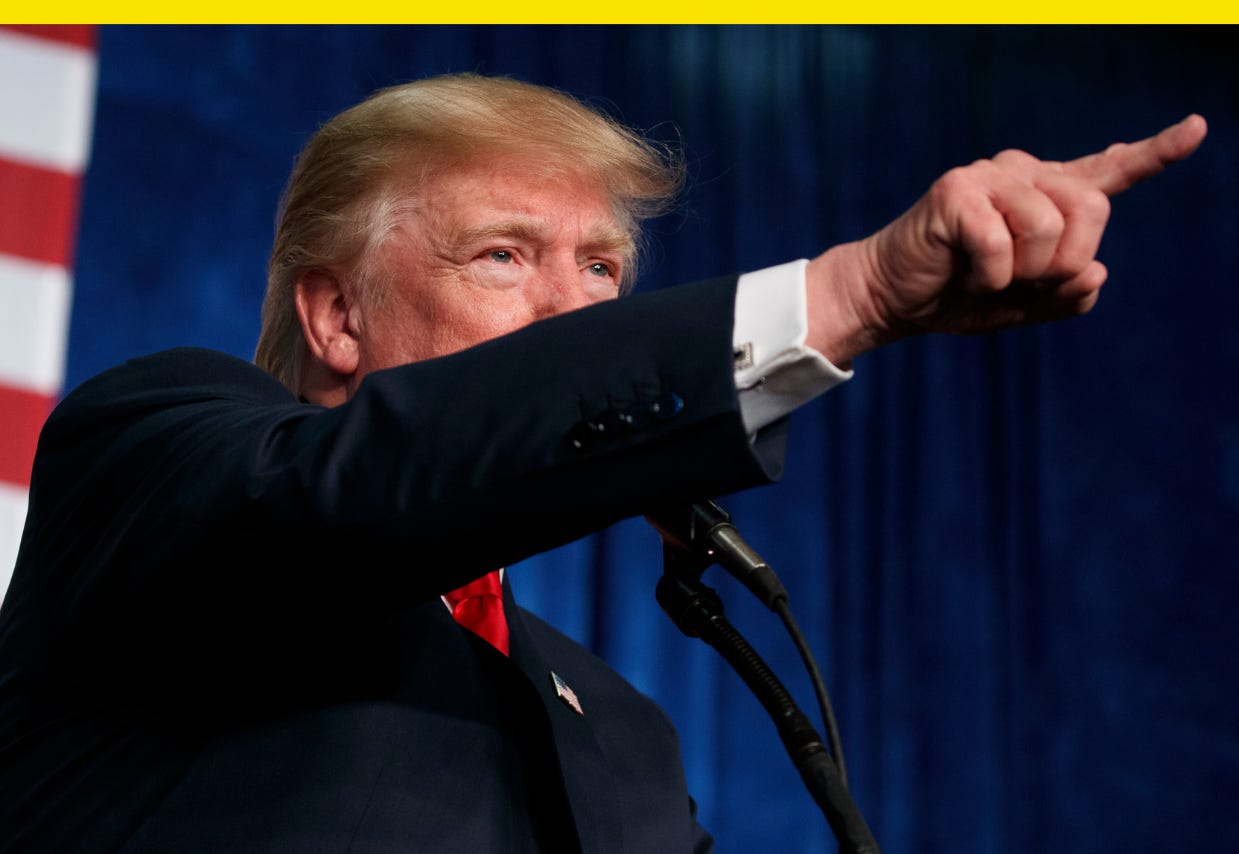
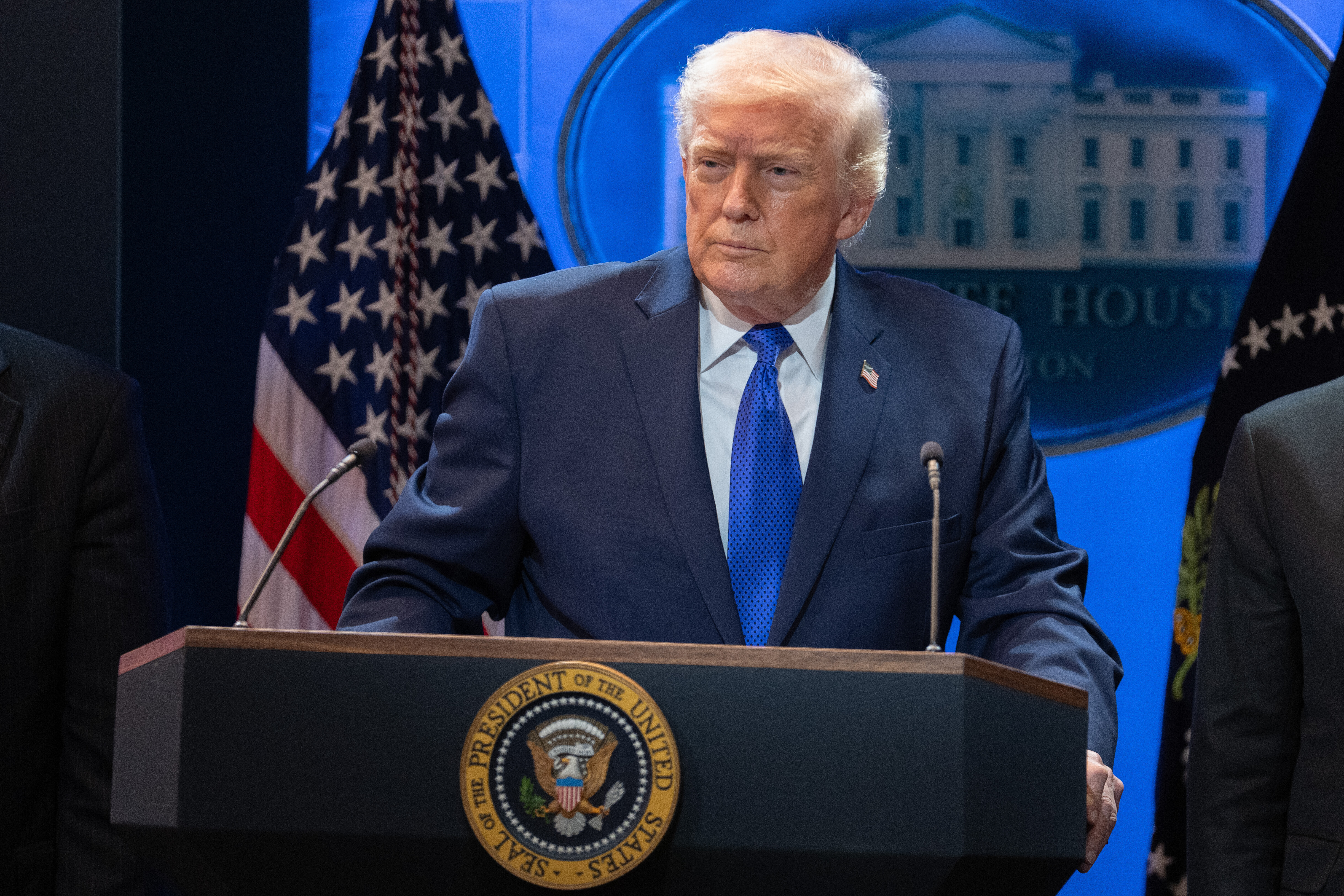
๐Ÿ‡บ๐Ÿ‡ธ Trump Slams Obama While Claiming He Deserves Nobel Prize — A Viral Political Clash

Image

Image

Image

Image

๐Ÿ“ฐ Introduction: A Controversial Statement Goes Viral

A resurfaced video and recent reports have once again pushed Donald Trump and Barack Obama into the spotlight.

At the center of the controversy:

๐Ÿ‘‰ Trump publicly criticized Obama’s Nobel Peace Prize win—while insisting he himself deserves the award.

The comments quickly spread online, sparking debate, reactions, and millions of searches.


๐ŸŽค What Trump Said

In remarks that have circulated widely in 2026, Donald Trump claimed:

  • He had “settled eight wars”

  • His actions were unprecedented in modern history

  • He deserved the Nobel Peace Prize more than anyone

He also criticized Barack Obama, saying Obama:

“got the Nobel Prize… and didn’t do anything” (Tyla)

Trump further questioned why Obama received the award so early in his presidency.


๐Ÿ† Obama’s Nobel Prize — Why He Won

Image

Image

Image

Image

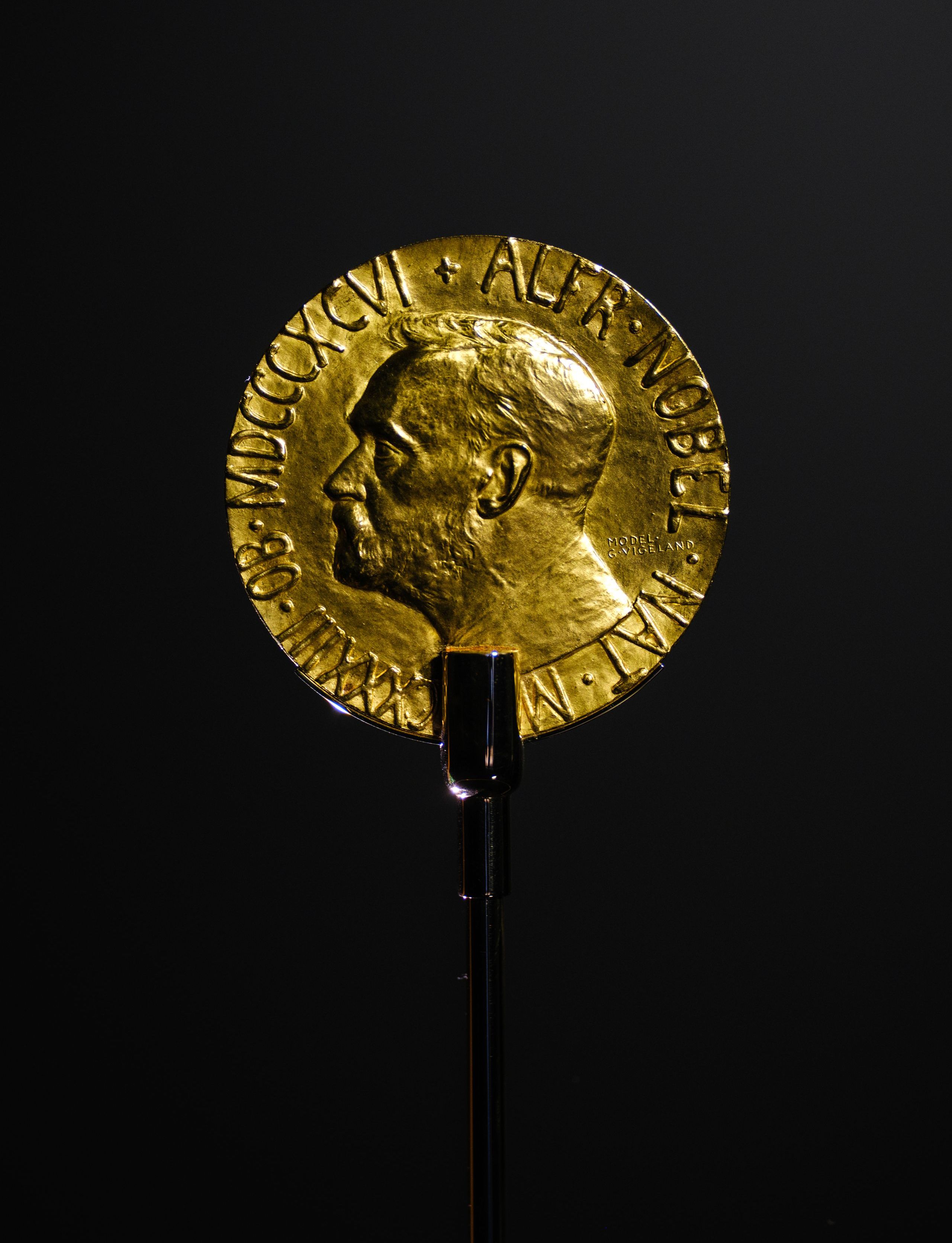
Barack Obama was awarded the Nobel Peace Prize in 2009.

According to the Nobel Committee, the award recognized:

  • Efforts to strengthen international diplomacy

  • Promotion of cooperation between nations

  • Work on nuclear nonproliferation (Tyla)

However, the decision was controversial—even at the time—with critics arguing it came too early in his presidency.


⚔️ Trump’s Argument: “I Ended Wars”

Trump’s claim centers on his belief that he played a role in:

  • Reducing or preventing conflicts

  • Facilitating ceasefires

  • Engaging in international negotiations

He argued that:

๐Ÿ‘‰ Ending wars should be the main criteria for winning a Nobel Prize

But experts and analysts have challenged some of these claims, saying:

  • Not all conflicts were fully resolved

  • Some agreements were temporary

  • Outcomes remain debated (The Times)


๐Ÿง  The Bigger Picture: Nobel Prize Debate

Image

Image

Image

Image

This controversy highlights a long-standing debate:

๐Ÿ‘‰ What truly qualifies someone for the Nobel Peace Prize?

Different perspectives include:

  • Diplomatic efforts and global cooperation

  • Ending or preventing wars

  • Promoting long-term peace

Both Trump and Obama represent different interpretations of “peace leadership.”


๐Ÿ“ข Public Reaction

The comments triggered strong reactions online:

๐Ÿ‘ Supporters of Trump:

  • Believe he achieved major diplomatic breakthroughs

  • Say he was unfairly overlooked

๐Ÿ‘ Supporters of Obama:

  • Point to his global diplomacy efforts

  • Defend the Nobel Committee’s decision

๐Ÿ‘Ž Critics (both sides):

  • Question the politicization of the award

  • Highlight inconsistencies in criteria


๐Ÿ”ฅ Why This Story Is Trending

This story is going viral because it combines:

  • Two of the most famous U.S. presidents

  • A prestigious global award

  • Strong, controversial statements

๐Ÿ‘‰ It’s the perfect mix for high traffic and engagement.


⚖️ Recent Developments Around Trump and the Nobel Prize

The debate has intensified in 2026:

  • Trump has repeatedly said he deserves the prize

  • Supporters have even nominated him multiple times

  • The Nobel Committee clarified the prize cannot be transferred or shared (Wikipedia)

At one point, a Nobel laureate symbolically offered Trump their medal—but officials confirmed:

๐Ÿ‘‰ The title itself cannot be given to someone else (People.com)


๐Ÿงพ Conclusion: A Debate That Won’t End Soon

The clash between Donald Trump and Barack Obama over the Nobel Peace Prize is more than just a personal dispute.

It reflects deeper questions about:

  • Leadership

  • Global influence

  • What “peace” really means

And as long as politics remains divided…

๐Ÿ‘‰ This debate will continue to trend.

๐Ÿ‡บ๐Ÿ‡ธ A Powerful Thought About Leadership, Resilience, and the People Behind It

by


 ๐Ÿ‡บ๐Ÿ‡ธ A Powerful Thought About Leadership, Resilience, and the People Behind It

Today, I came across an idea that made me pause—and really think.

Sometimes, when we look at public figures, we focus on titles, positions, or politics. But when you look deeper at individuals like Marco Rubio, JD Vance, Karoline Leavitt, Pete Hegseth, and Susie Wiles—you start to notice something else.

Not where they started.
Not what they had.

Not how easy or hard their path was.

But how they kept going.

Different backgrounds. Different journeys. Different challenges.
Yet one shared trait stands out:

๐Ÿ‘‰ Resilience

The idea here isn’t about perfection or even agreement—it’s about a mindset:

  • Not giving up when things get hard

  • Continuing forward when progress feels slow

  • Staying committed even when recognition doesn’t come

That’s something many people can relate to, no matter their background or beliefs.


๐Ÿ’ฌ A Simple Reflection

Life doesn’t always go as planned.
Opportunities don’t always come quickly.
And success rarely happens overnight.

But one thing often makes the difference:

๐Ÿ‘‰ Consistency and persistence


๐ŸŒŸ Final Thought

Whether in leadership, career, or everyday life, the message is simple:

Keep going.

Not because it’s easy.
Not because it’s guaranteed.
But because growth often happens in the moments when quitting feels easier.


If this message resonates with you, take it as a reminder:

๐Ÿ’ก Progress is built one step at a time
๐Ÿ’ก Setbacks don’t define your future
๐Ÿ’ก And persistence is often the most powerful trait of all


#StayStrong #KeepGoing #Resilience #Mindset #Growth

Turmeric, Ginger & More… This Daily Ritual Could Be a Game-Changer

by


๐ŸŒฟ Turmeric, Ginger & More: The Simple Daily Ritual That Could Support Your Wellness

Image

Image

Image

Image

In today’s fast-paced world, many people—especially over 40—experience ongoing challenges like low energy, joint discomfort, digestive issues, and general inflammation.

A growing wellness trend is bringing attention back to something simple, natural, and powerful: a daily blend of turmeric, ginger, cinnamon, lemon, and raw honey.

This “golden paste” has roots in traditional remedies and is now being rediscovered for its potential to support overall well-being.


✨ Why This Natural Blend Is Gaining Attention

This combination brings together ingredients known for their beneficial properties:

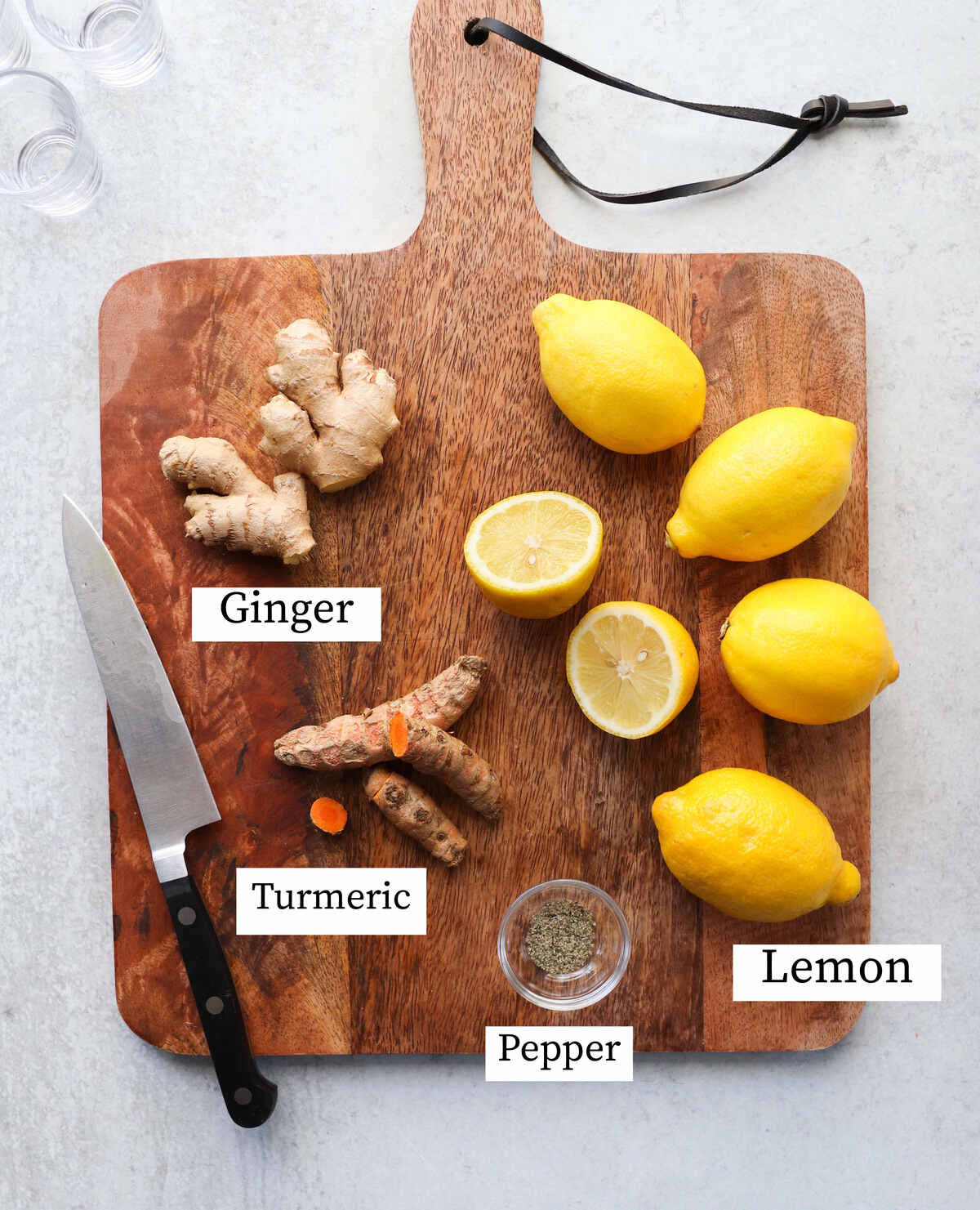
  • Turmeric: Rich in curcumin, linked to anti-inflammatory effects

  • Ginger: Supports digestion and circulation

  • Cinnamon: May help regulate blood sugar levels

  • Lemon: Provides vitamin C and antioxidants

  • Raw Honey: Adds natural sweetness and soothing properties

๐Ÿ‘‰ Together, they create a synergistic effect—meaning each ingredient enhances the others.


๐Ÿง  What This Daily Habit May Support

According to traditional use and emerging interest, this mixture may help with:

  • ๐ŸŒฟ Reducing inflammation

  • ๐Ÿ”‹ Supporting steady energy levels

  • ๐Ÿฅ— Improving digestion

  • ๐Ÿฆด Easing joint discomfort

  • ๐Ÿ›ก️ Boosting antioxidant intake

Some people report noticing changes after consistent daily use—often within the first couple of weeks.


๐Ÿฅ„ How to Make the Golden Paste

Ingredients:

  • 2 tbsp turmeric powder

  • 2 tbsp fresh grated ginger (or 1 tbsp powdered)

  • 1 tbsp cinnamon

  • Juice of 1 lemon

  • Raw honey (enough to form a paste)

Instructions:

  1. Mix all ingredients in a bowl

  2. Stir until thick and smooth

  3. Store in a glass jar in the refrigerator

๐Ÿ‘‰ Take 1 teaspoon daily, preferably in the morning or before bed.


๐Ÿ’ก Tips for Best Results

  • Use high-quality, natural ingredients

  • Mix into warm (not hot) water or tea if preferred

  • Stay consistent—daily use matters

  • Pair with a balanced diet and hydration


⚠️ Important Note

While this mixture is natural, it may not be suitable for everyone.

๐Ÿ‘‰ Always consult a healthcare professional if you:

  • Take medications

  • Have underlying health conditions

  • Are pregnant or breastfeeding

This is a wellness support—not a replacement for medical care.


๐ŸŒผ Final Thoughts

This simple daily ritual is a reminder that wellness doesn’t always require complicated routines.

Sometimes, the most powerful habits are:

  • Natural

  • Consistent

  • Rooted in tradition

๐Ÿ‘‰ One small teaspoon a day could become a meaningful step toward better balance, energy, and comfort.


About the Author
Sara writes about natural wellness, simple habits, and practical ways to support a healthier lifestyle using everyday ingredients.

Keto Slow Cooker Jambalaya

by


๐Ÿฒ Keto Slow Cooker Jambalaya: A Taste of New Orleans, Made Healthy

Image

Image

Image

Image

๐ŸŒ† A Story from the Heart of New Orleans

Once upon a time in the lively streets of New Orleans, a talented chef named Marie became known for her unforgettable Cajun dishes. Her cooking captured the bold, soulful flavors of Louisiana—but one recipe stood above the rest.

On a rainy afternoon, inspired by tradition and creativity, she crafted a healthier twist on a classic favorite: Keto Slow Cooker Jambalaya.

A dish that keeps the spirit of Cajun cuisine alive—while fitting perfectly into a modern, low-carb lifestyle.


✨ Why You’ll Love This Recipe

  • Low-Carb & Keto-Friendly

  • Rich Cajun Flavor

  • Easy Slow Cooker Method

  • Packed with Protein & Veggies

๐Ÿ‘‰ It’s comfort food—without the guilt.


๐Ÿงพ Ingredients

๐Ÿ— Protein

  • 500g chicken breast (diced)

  • 300g smoked sausage (sliced)

๐Ÿฅ• Vegetables

  • 1 onion (chopped)

  • 1 green bell pepper (chopped)

  • 2 celery stalks (chopped)

  • 3 cloves garlic (minced)

๐ŸŒฟ Base & Flavor

  • 400g cauliflower rice

  • 400g canned diced tomatoes

  • 1 cup chicken broth

  • 2 tbsp Cajun seasoning

  • 1 tsp dried thyme

  • 1 tsp oregano

  • Salt & pepper

๐ŸŒฑ Garnish

  • Fresh parsley


๐Ÿ‘ฉ‍๐Ÿณ How to Make Keto Jambalaya

Image

Image

Image

Image

1. Brown the Meat

Cook chicken and sausage in a skillet until lightly browned.
Transfer to the slow cooker.

2. Add Vegetables

Add onion, bell pepper, celery, and garlic.

3. Build the Flavor

Stir in:

  • Cauliflower rice

  • Tomatoes

  • Broth

  • Cajun seasoning & herbs

4. Slow Cook

  • Low: 6–8 hours

  • High: 3–4 hours

5. Serve

Garnish with parsley and enjoy hot!


๐Ÿฅ— Health Benefits

This dish isn’t just delicious—it’s nourishing too:

  • High Protein: Supports muscle health

  • Low-Carb: Perfect for keto lifestyle

  • Rich in Fiber: From vegetables and cauliflower

  • Loaded with Nutrients: Vitamins, antioxidants, and minerals


๐Ÿฝ️ Serving Ideas

  • Enjoy on its own

  • Pair with a fresh salad

  • Add hot sauce for extra kick ๐ŸŒถ️

  • Squeeze lemon for brightness ๐Ÿ‹


๐Ÿ’ก Cooking Tips

  • Want more spice? Add cayenne or hot sauce

  • Prefer stovetop? Simmer in a large pot for 30–40 minutes

  • Use fresh herbs for even more flavor


๐ŸŒผ Final Thoughts

Keto Slow Cooker Jambalaya is the perfect blend of:

  • Tradition

  • Flavor

  • Simplicity

  • Healthy living

It proves you don’t have to give up bold, comforting meals to eat well.

๐Ÿ‘‰ One bite, and you’ll feel like you’re right in New Orleans—rain or shine.


About the Author
Sara shares flavorful, easy recipes inspired by tradition—bringing comfort food into modern, healthy kitchens.

Crispy Honey-Garlic Glazed Cutlets

by


๐Ÿ— Crispy Honey-Garlic Glazed Cutlets (Chicken or Pork)

Image

Image

Image

Image

๐Ÿ”ฅ The Perfect Crunch Meets Sweet & Savory Flavor

If you’re looking for a meal that delivers crispy texture, juicy meat, and a sticky, flavorful glaze, this recipe is a must-try.

These Crispy Honey-Garlic Cutlets are coated in golden Panko breadcrumbs, pan-fried to perfection, and finished with a rich honey-garlic glaze that’s both sweet and savory.

๐Ÿ‘‰ Perfect for weeknight dinners, family meals, or impressing guests with minimal effort.


✨ Why You’ll Love This Recipe

  • Ultra Crispy: Thanks to Panko breadcrumbs

  • Quick & Easy: Ready in under 30 minutes

  • Versatile: Works with chicken or pork

  • Restaurant Quality: Right from your kitchen


๐Ÿงพ Ingredients

๐Ÿ– For the Cutlets

  • 4 thin chicken breasts or pork cutlets

  • 1 cup all-purpose flour

  • 2 eggs (whisked)

  • 1½ cups Panko breadcrumbs

  • 1 tsp salt

  • ½ tsp black pepper

  • ½ tsp paprika

  • ¼ cup vegetable oil


๐Ÿฏ For the Honey-Garlic Glaze

  • ½ cup honey (or maple syrup)

  • ¼ cup soy sauce

  • 3 cloves garlic (minced)

  • 1 tbsp apple cider vinegar

  • ½ tsp ground ginger (optional)

  • 1 tbsp cornstarch + 2 tbsp water

  • 1 tsp sesame oil (optional)

  • Fresh parsley or green onions (for garnish)


๐Ÿ‘ฉ‍๐Ÿณ Step-by-Step Instructions

Image

Image

Image

Image

1. Prepare the Cutlets

If needed, pound cutlets to even thickness. Pat dry.

Set up 3 stations:

  • Flour + seasoning

  • Eggs

  • Panko breadcrumbs

Coat each cutlet: flour → egg → Panko


2. Fry Until Golden

Heat oil in a skillet over medium-high heat.

  • Fry 3–4 minutes per side

  • Until golden brown and cooked through

Remove and place on paper towels or rack.


3. Make the Glaze

In a saucepan, combine:

  • Honey

  • Soy sauce

  • Garlic

  • Vinegar

  • Ginger

Bring to a simmer, then add cornstarch slurry.
Cook until thick and glossy.


4. Glaze & Serve

Option A (Best): Brush glaze onto hot cutlets
Option B: Serve glaze on the side

Garnish with herbs and serve immediately.


๐Ÿฝ️ Serving Ideas

Pair your cutlets with:

  • Steamed rice

  • Roasted vegetables

  • Fresh salad

  • Noodles

๐Ÿ‘‰ It’s a complete meal everyone will love!


๐Ÿ’ก Pro Tips for Extra Flavor

  • Add Parmesan + garlic powder to breadcrumbs

  • Don’t overcrowd the pan (keeps it crispy!)

  • Serve immediately for best texture


๐ŸŒผ Final Thoughts

These Crispy Honey-Garlic Cutlets are everything you want in a meal:

  • Crunchy

  • Juicy

  • Sweet & savory

  • Easy to make

๐Ÿ‘‰ One bite, and this recipe will become a regular in your kitchen!


About the Author
Sara shares easy, delicious recipes that bring restaurant-quality meals to your home with simple ingredients and big flavor.