
Israeli Strike on Yemen’s Hodeida Port: What Happened and Why It Matters
A recent report has drawn attention to escalating tensions in the Middle East:
“Israeli strike on Yemeni port caused $20 million in damage, official says.”
While the headline is direct, the broader context behind this event reveals a complex and rapidly evolving situation involving regional conflict, retaliation, and strategic targets.
What Happened?
According to reports, an airstrike attributed to Israel targeted the port of Hodeida in western Yemen.
Key details include:
The strike caused an estimated $20 million in damage
It destroyed significant portions of fuel storage infrastructure
A large fire broke out, reportedly burning for days
The port’s oil storage capacity was heavily impacted
Hodeida is a critical location, serving as one of the main entry points for goods and fuel into Yemen.
Why Was the Port Targeted?
The strike followed a reported escalation:
A drone launched by Houthi forces struck Tel Aviv
The attack resulted in the death of an Israeli civilian
Israel responded by targeting infrastructure linked to the group
The Houthis, who control parts of Yemen including Hodeida, are often described as being backed by Iran, adding another layer to the geopolitical tension.
The Strategic Importance of Hodeida


Hodeida is not just any port—it is one of Yemen’s most vital infrastructure hubs.
It plays a key role in:
Importing food and humanitarian aid
Fuel distribution across the country
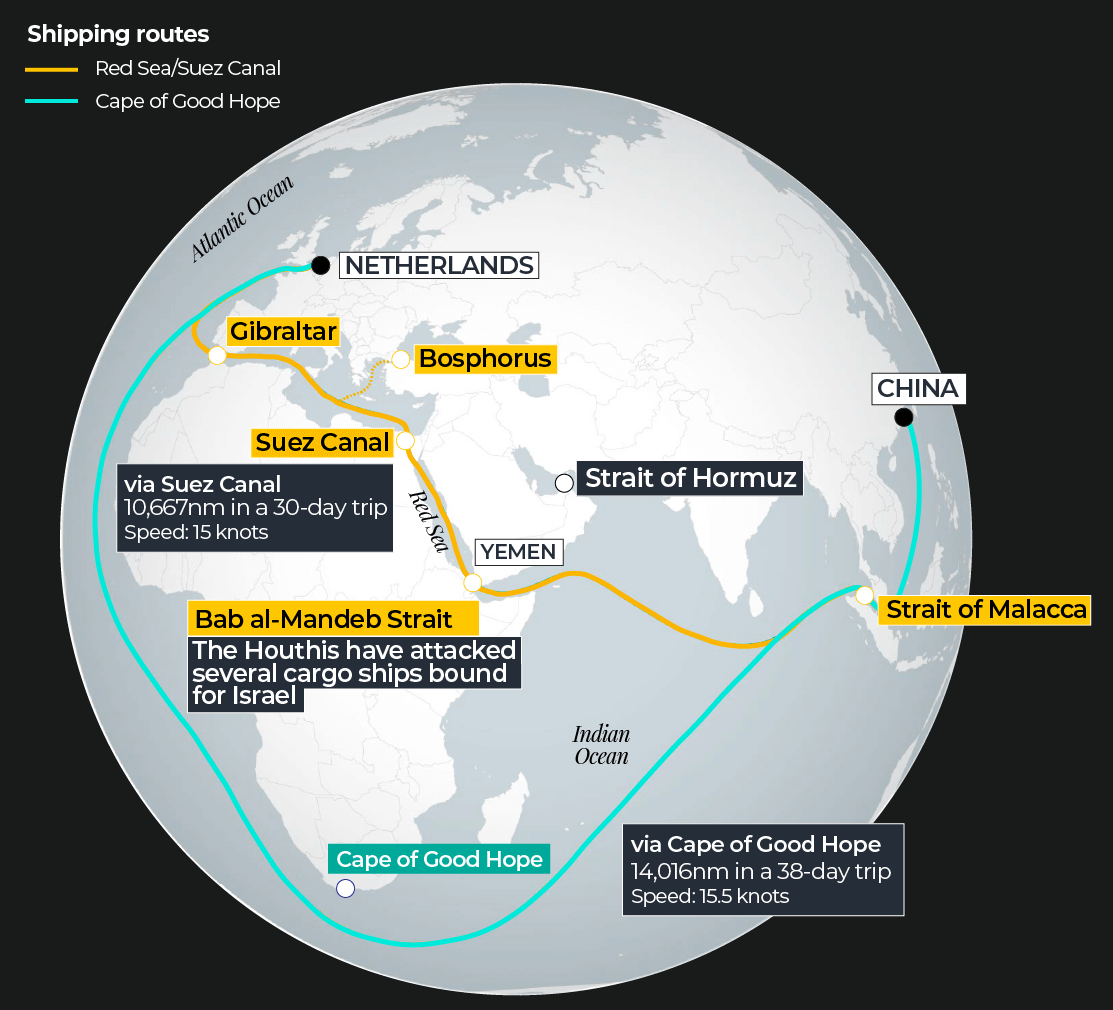
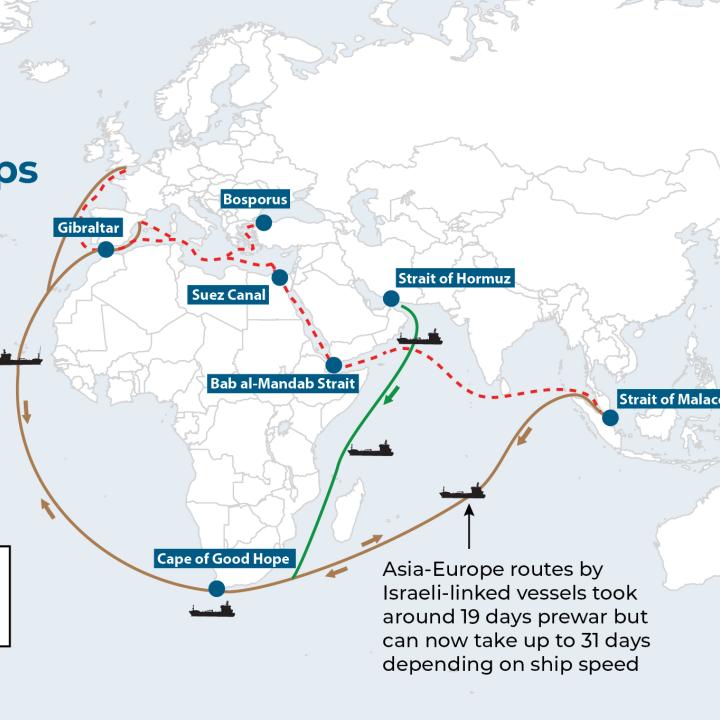
Regional shipping routes along the Red Sea
Damage to this port can have wide-reaching consequences beyond the immediate strike.
Humanitarian and Economic Impact
Yemen is already facing a severe humanitarian crisis.
Damage to major infrastructure like Hodeida can:
Disrupt food and fuel supplies
Increase costs of essential goods
Complicate aid delivery efforts
Worsen existing shortages
Even when the target is strategic, the ripple effects often impact civilians.
A Pattern of Escalation
This incident reflects a broader pattern in regional conflict:
One side launches an हमला (attack)
The other responds with a targeted strike
Each action increases tension
This cycle makes de-escalation more difficult and raises the risk of wider conflict.
The Role of Regional Dynamics
The situation is not isolated.
It involves multiple layers:
Israel responding to security threats
Houthi forces operating within Yemen
Influence and support linked to Iran
Broader concerns about Red Sea security
These overlapping factors make the conflict more complex than a single incident.
Media Coverage and Interpretation
Headlines focusing on damage figures—like “$20 million”—highlight the scale of destruction but don’t always capture:
The full strategic context
The humanitarian implications
The ongoing nature of the conflict
Understanding the bigger picture requires looking beyond the numbers.
What Happens Next?
Several outcomes are possible:
Continued retaliatory strikes
Increased international diplomatic pressure
Efforts to secure maritime routes
Humanitarian responses to infrastructure damage
The direction depends on how each side responds in the coming days.
Final Thoughts
The strike on Hodeida port is more than a single military action—it’s part of a larger and ongoing regional dynamic.
It highlights:
The سرعة of escalation in modern conflicts
The vulnerability of critical infrastructure
The connection between military actions and humanitarian consequences
In situations like this, clarity and context matter just as much as the headline itself.
About the Author
Admin writes about global events, conflict analysis, and how breaking news is presented in the digital age, helping readers understand the deeper context behind major developments.


0 commentaires:
Enregistrer un commentaire