
My Neighbor Gave Me a Bag of These… What Are They and How Do You Eat Them? A Curious Kitchen Discovery
It started with a simple knock on the door.
A friendly neighbor stood outside, smiling, holding a small bag filled with strange-looking green pods. “I picked these fresh this morning,” they said. “You should try them!”
It felt like one of those wholesome, everyday moments—community, generosity, maybe even a hint of adventure. But once the door closed and the bag was set on the kitchen counter, curiosity took over:
What exactly are these? And… how on earth do you eat them?
The Mystery of the Green Pods

If you’ve ever received homegrown produce without a label, you know the feeling. These pods might resemble something familiar—but not quite enough to be certain.
Depending on their shape, size, and texture, they could be one of several things:
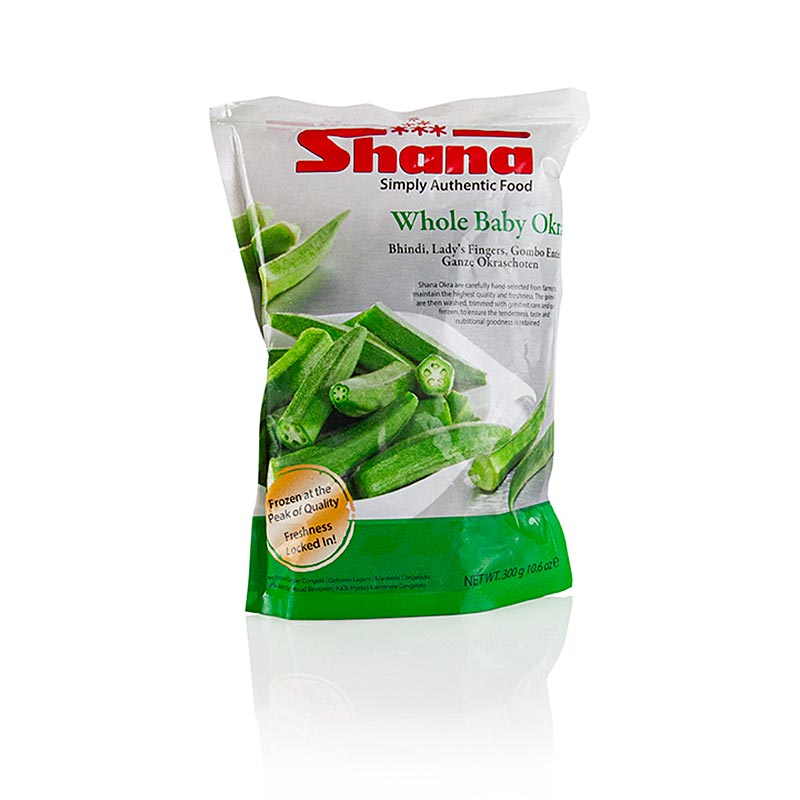
okra
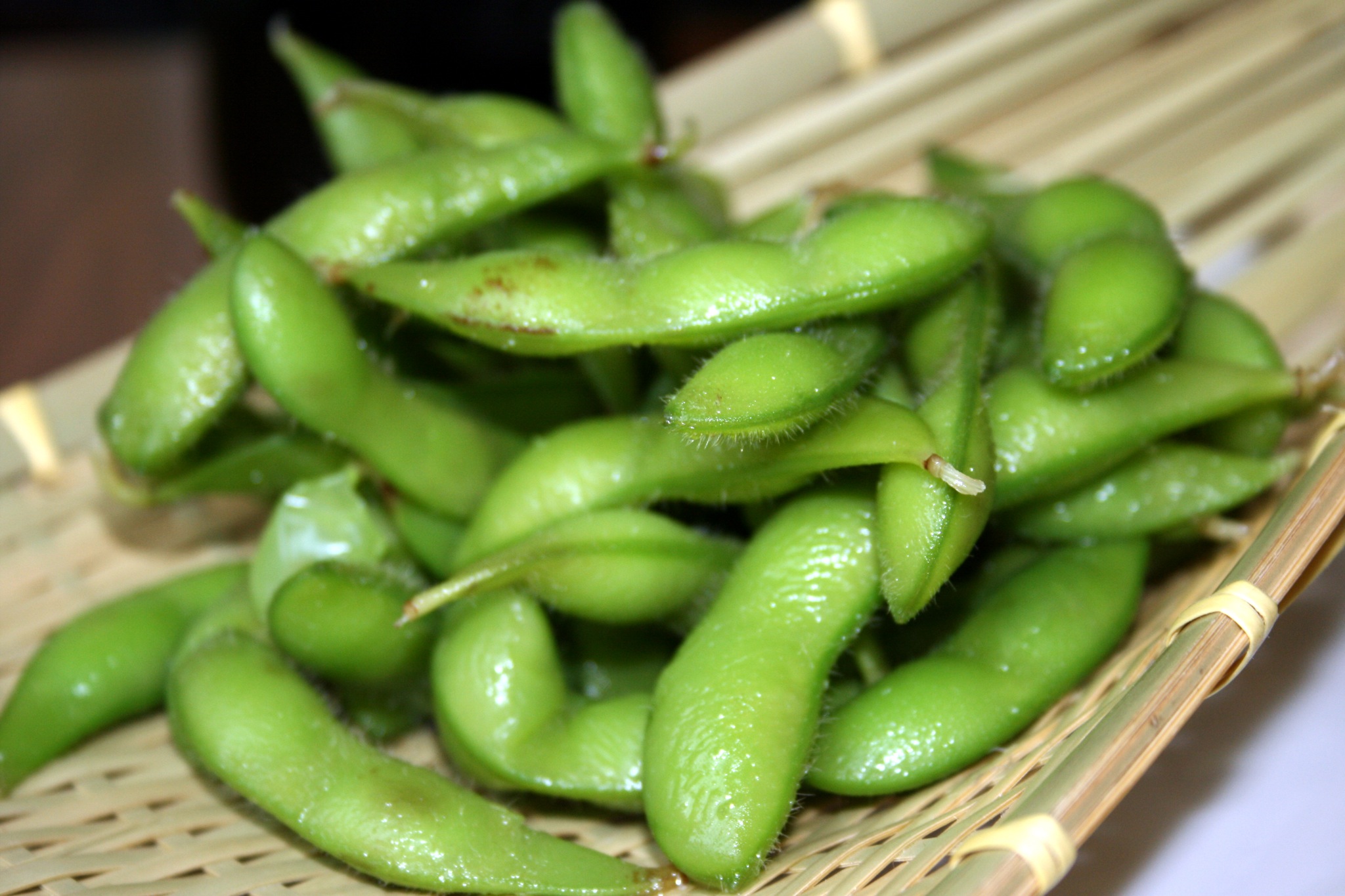
edamame
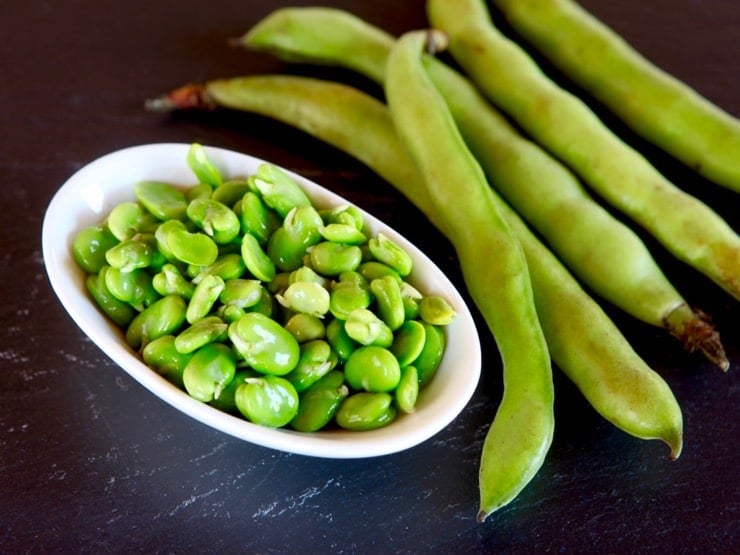
fava beans
sugar snap peas
Each of these looks similar at a glance—but they taste very different and require different preparation methods.
So before you cook anything, identification is key.
Step 1: How to Identify What You’ve Got
Here’s a quick guide to help you figure it out:
🌱 Okra
Long, ridged pods (often slightly fuzzy)
Pointed ends
Feels firm but slightly soft when squeezed
🌱 Edamame
Short, plump pods
Slightly fuzzy exterior
Usually bright green and thick
🌱 Fava Beans
Larger, flatter pods
Smooth surface
Often bulging where beans sit inside
🌱 Sugar Snap Peas
Crisp, smooth pods
Edible whole
Slightly curved with visible peas inside
If your pods are ridged and tapered, it’s likely okra.
If they’re fat and fuzzy, think edamame.
If they’re flat and big, probably fava beans.
If they’re crisp and snackable, you’ve got snap peas.
Step 2: Can You Eat Them Raw?
This depends entirely on what they are:
Okra → Usually cooked (raw can be slimy for some)
Edamame → Cooked before eating
Fava beans → Must be shelled and often peeled
Snap peas → Delicious raw or cooked
So if you’re unsure—don’t eat them raw just yet.
Step 3: How to Prepare Them (Simple Methods)
🍳 If It’s Okra

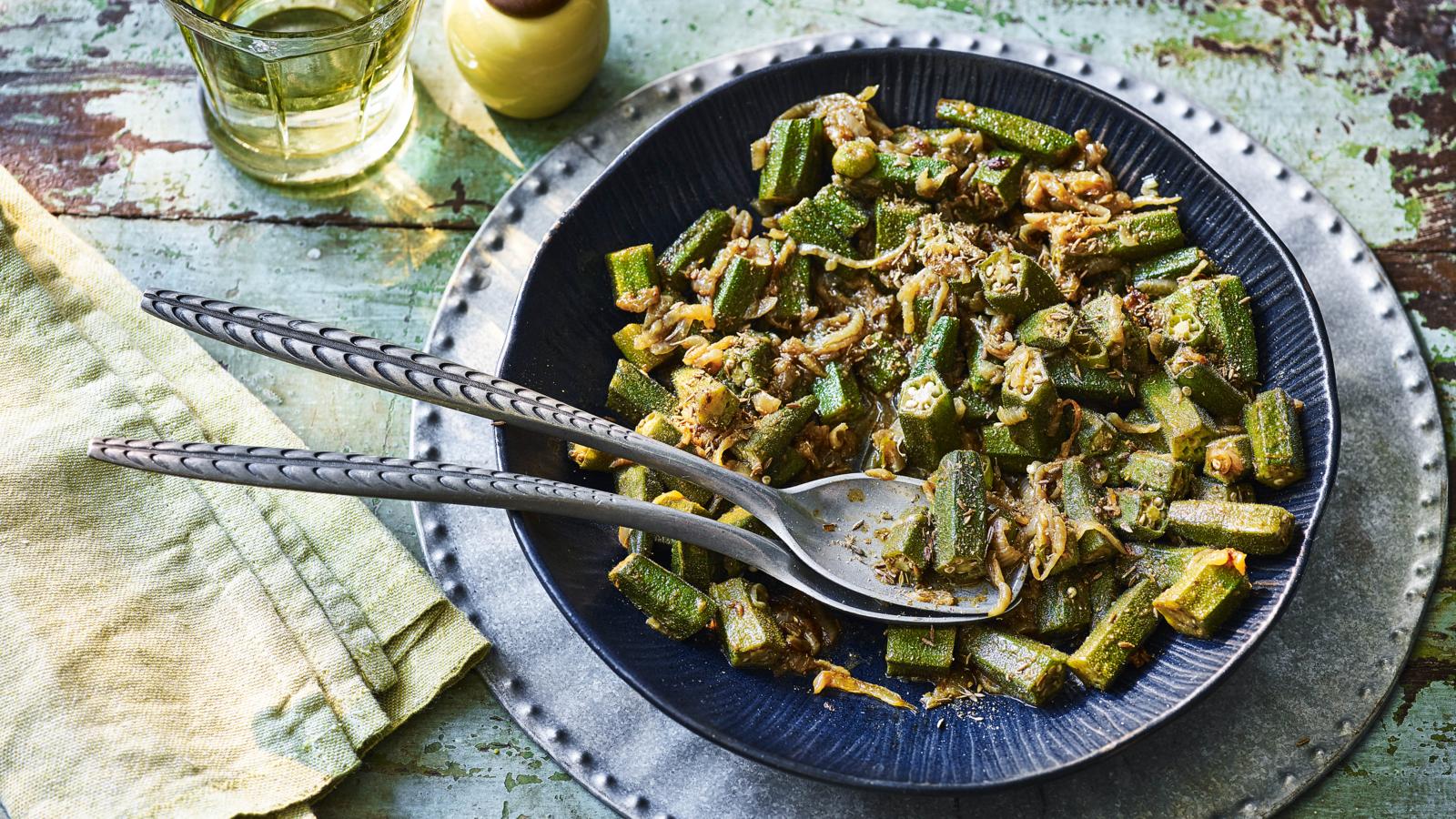

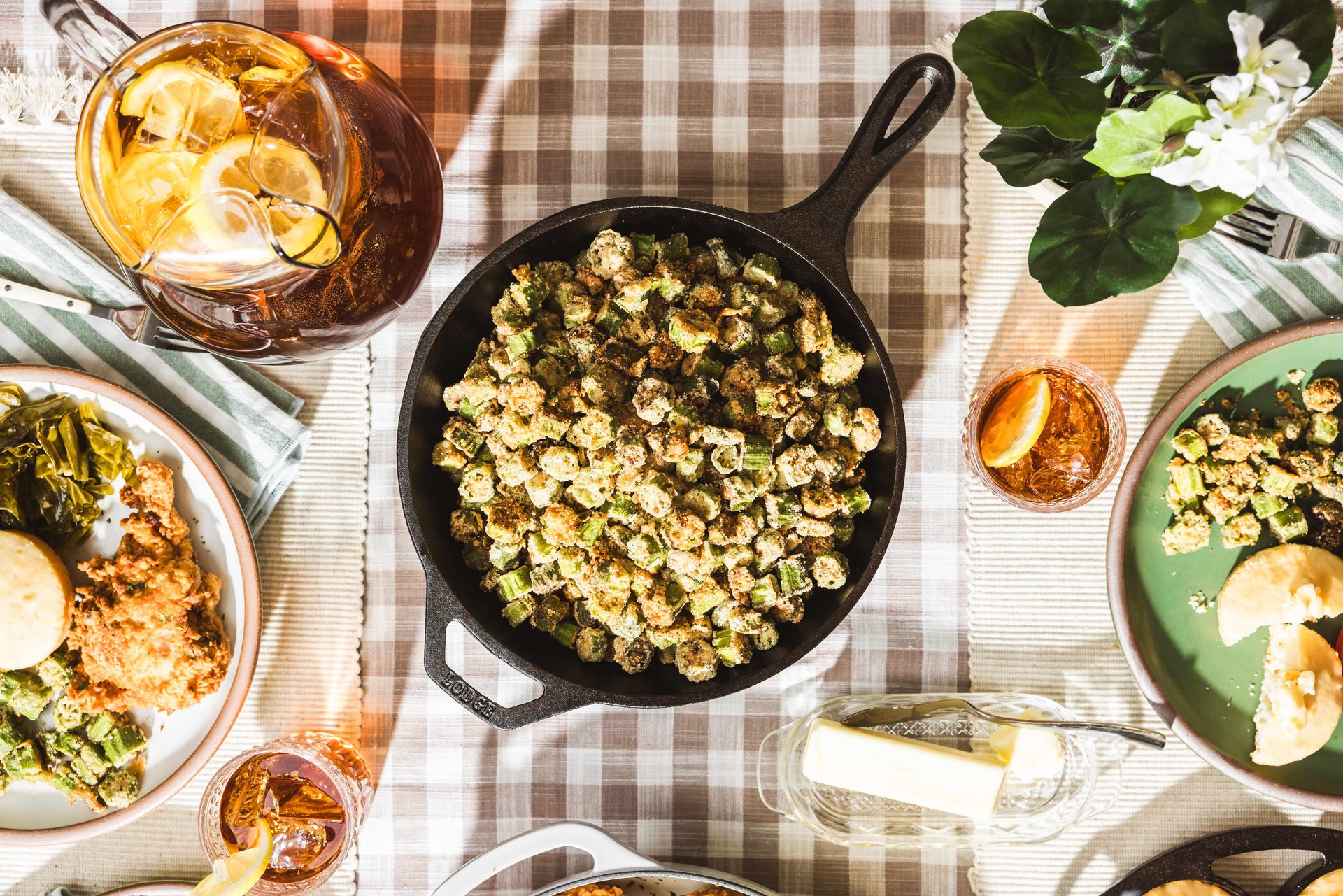
Okra is widely used in African, Middle Eastern, and Southern cooking.
Easy method:
Wash and slice
Sauté with olive oil, garlic, and salt
Cook until tender
👉 Tip: Add a bit of lemon juice to reduce the “slimy” texture.
🫘 If It’s Edamame
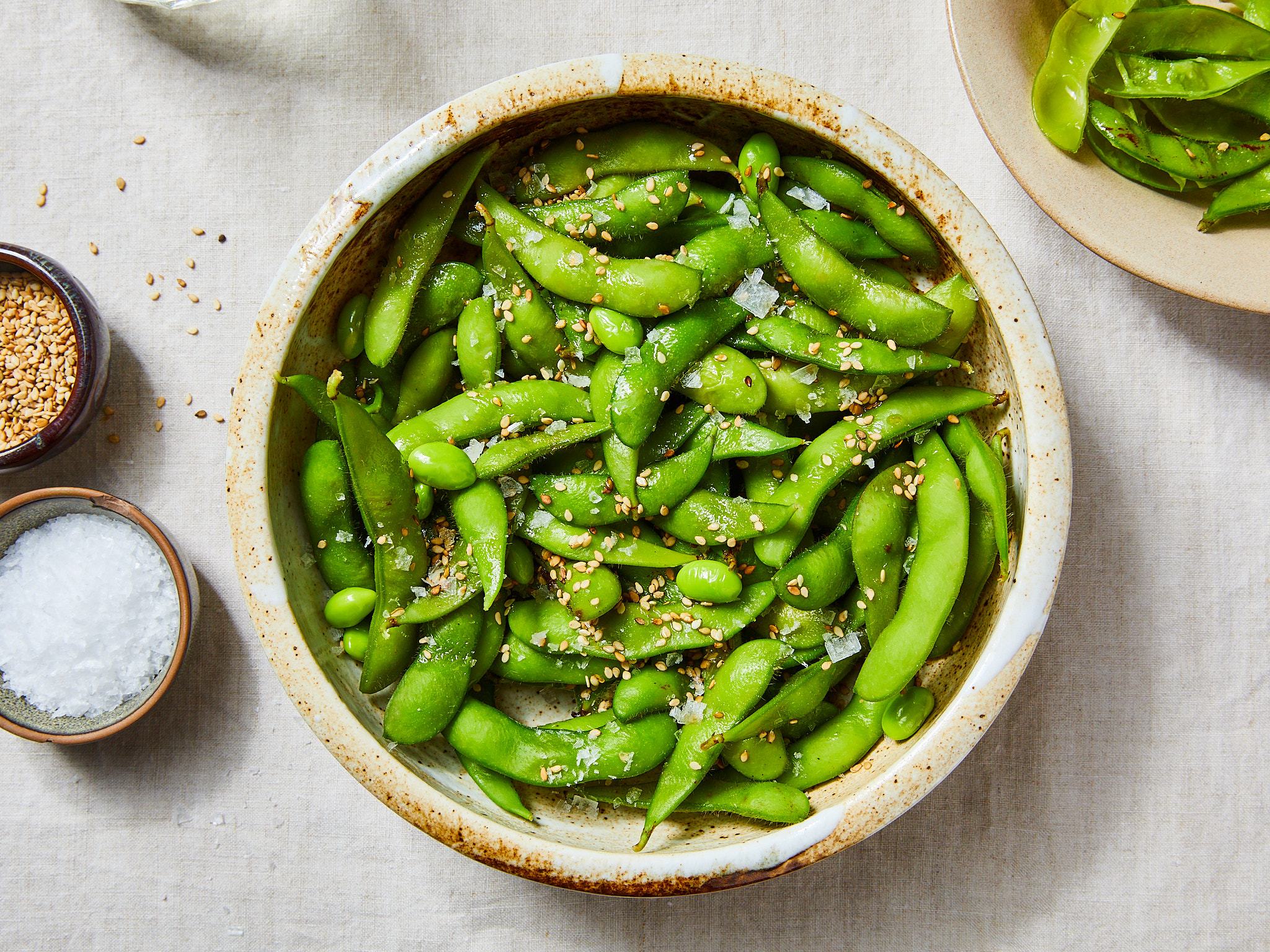

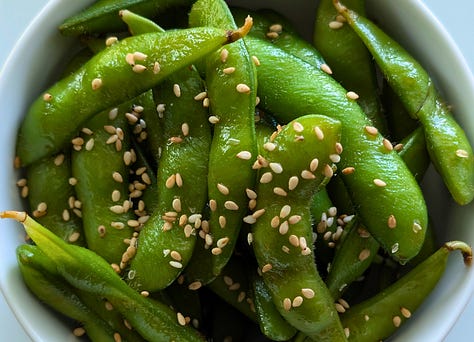
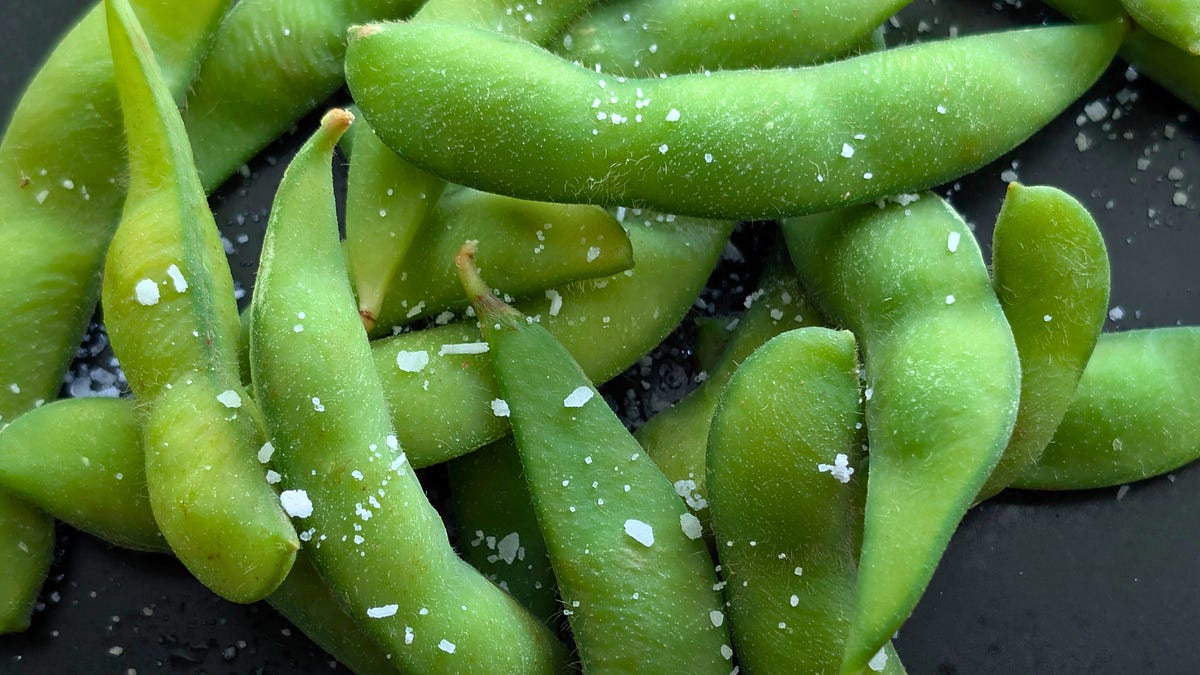
Edamame is simple and addictive.
Easy method:
Boil pods in salted water (5–7 minutes)
Drain and sprinkle with salt
Squeeze beans out of the pod to eat
👉 You don’t eat the pod—just the beans inside.
🟢 If It’s Fava Beans
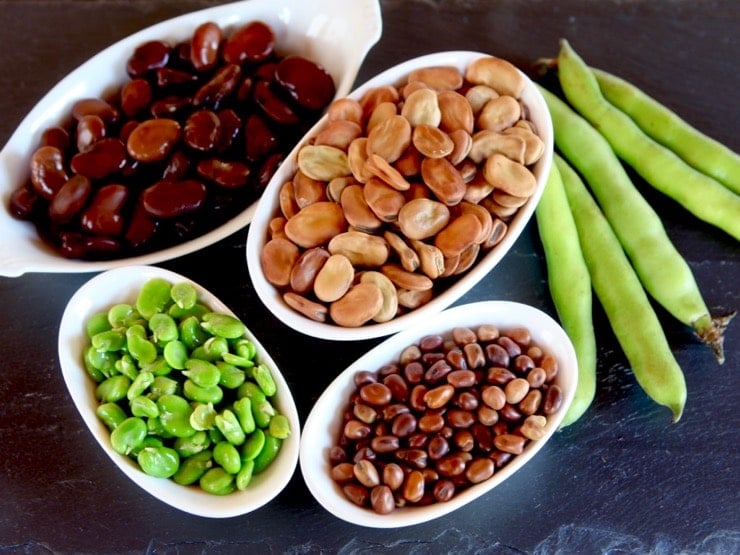
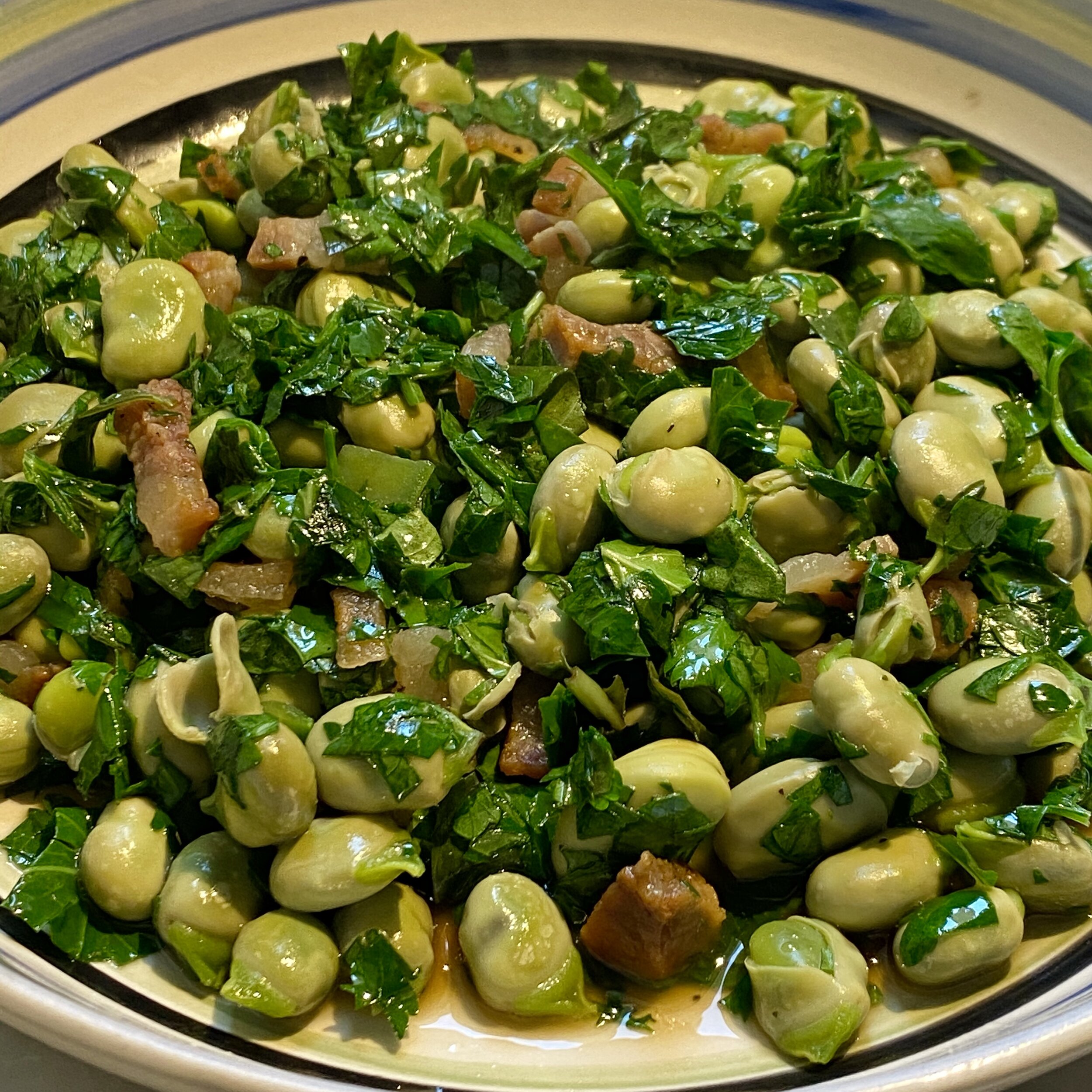
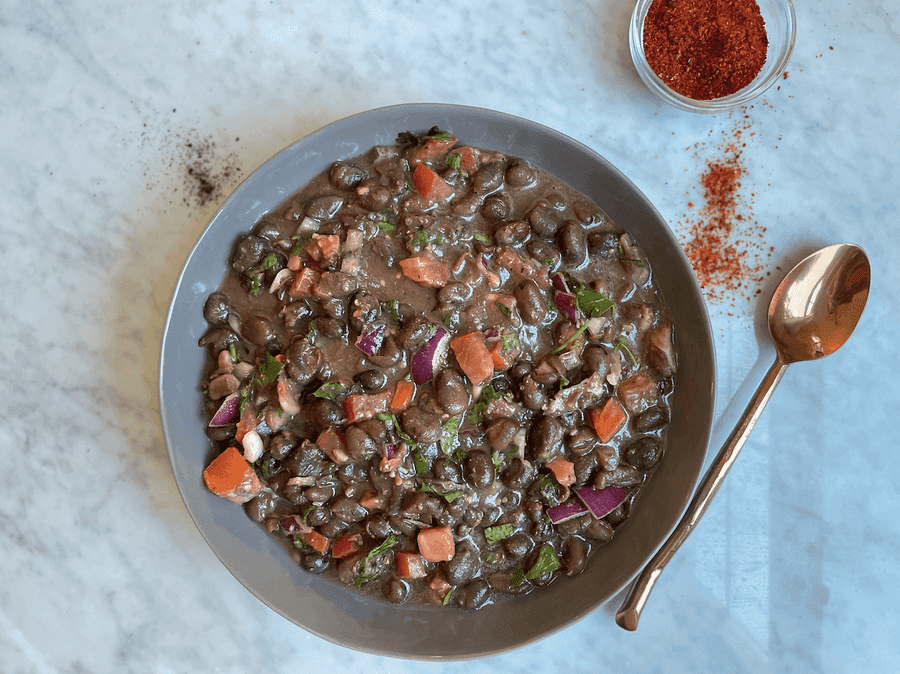
Fava beans take a bit more work—but they’re worth it.
Easy method:
Remove beans from pod
Boil briefly
Peel outer skin
Sauté or add to salads
👉 They have a rich, buttery flavor.
🥗 If It’s Snap Peas


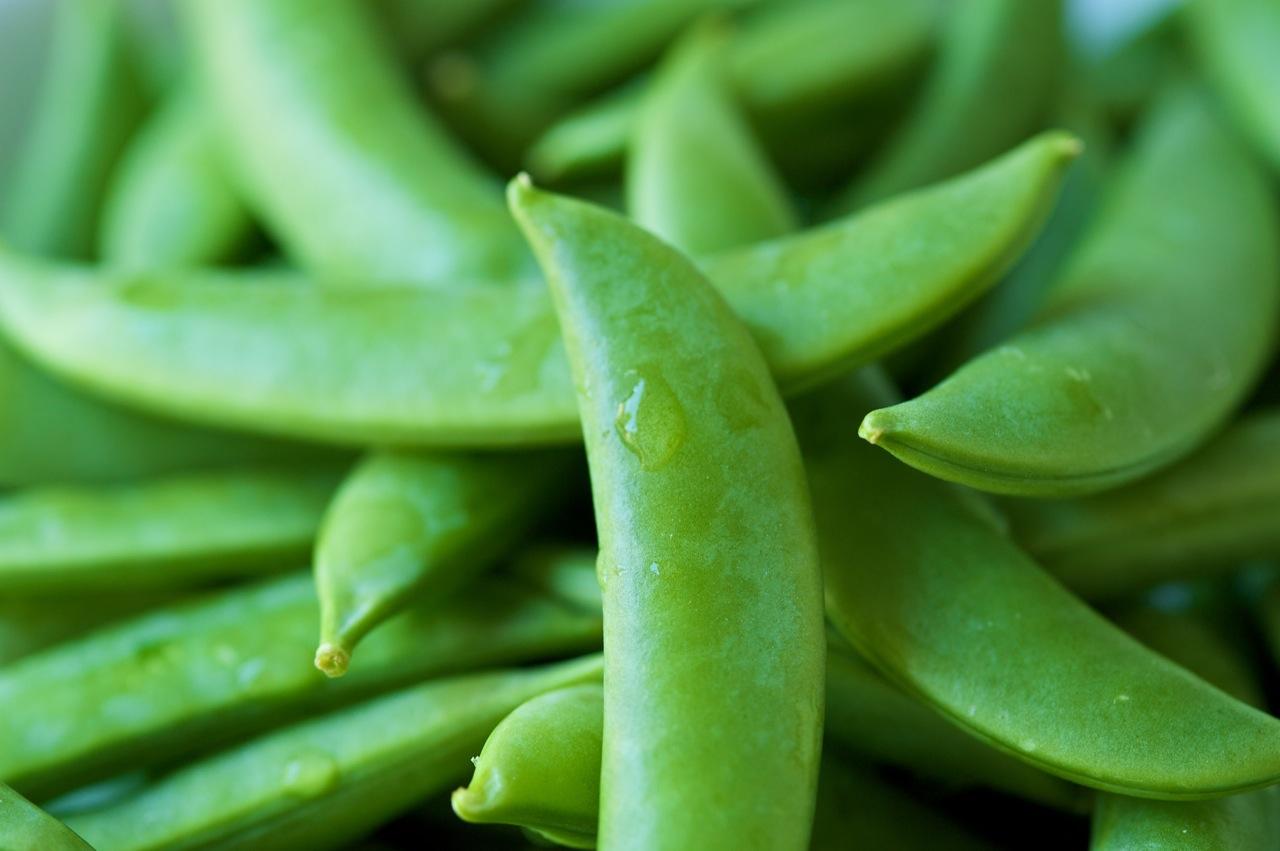

Snap peas are the easiest of all.
Ways to eat:
Raw as a snack
Tossed in salads
Stir-fried with garlic
👉 Crunchy, sweet, and refreshing.
Step 4: When in Doubt—Ask!
If you’re still unsure, the simplest solution is also the best:
Ask your neighbor.
It might feel awkward—but it’s actually a great conversation starter. You might even:
Learn a traditional recipe
Get cooking tips
Build a stronger connection
And honestly, most gardeners love talking about what they grow.
The Joy of Unexpected Food Discoveries
Moments like this remind us of something simple but powerful:
Food isn’t just about eating—it’s about connection.
A small bag of unknown vegetables can lead to:
Learning something new
Trying a new recipe
Sharing a meal
Building community
In a world that often feels fast and disconnected, these small interactions matter.
A Quick Safety Note
Before cooking anything unfamiliar:
Make sure it’s edible
Avoid tasting unknown plants raw
Check for allergies
When unsure, research or ask
Better safe than sorry—especially with homegrown produce.
Final Thoughts
That small bag of green pods on your kitchen counter isn’t just a mystery—it’s an opportunity.
An opportunity to:
Explore new flavors
Learn about food
Connect with others
Whether it turns out to be okra, edamame, fava beans, or snap peas, one thing is certain:
You’ve just been invited into a new culinary experience.
So go ahead—wash them, cook them, taste them.
And maybe next time, you’ll be the one knocking on someone else’s door, sharing something fresh from your own kitchen.
About the Author
Sara writes about food, everyday curiosities, and the small moments that turn into meaningful discoveries in daily life.


0 commentaires:
Enregistrer un commentaire